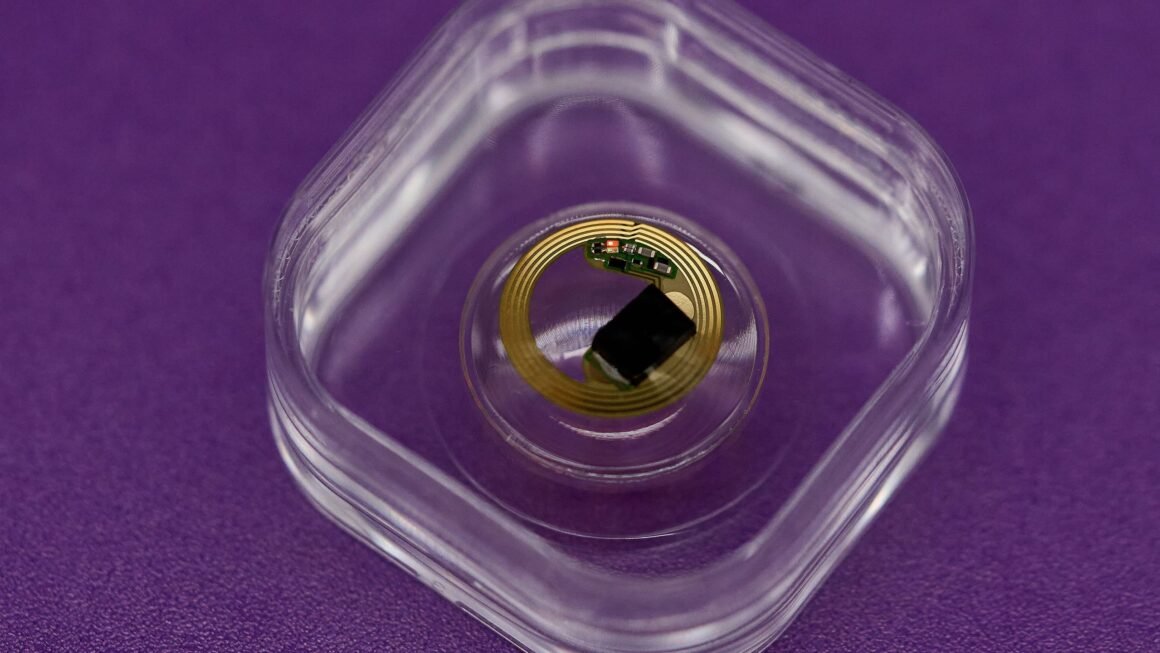

Xpanceo is developing smart contact lenses that incorporate on-lens displays and offer 24/7 blood glucose monitoring. This innovative product, showcased at Mobile World Congress 2026, merges consumer tech with health applications, aiming for a potential release around 2027. The use of these smart lenses may appeal to tech enthusiasts and individuals seeking better health management, particularly those with diabetes who require constant monitoring of their glucose levels.
This development stands out in the wearable tech market due to the dual functionality of the lenses. Not only do they promise interactive visual displays, allowing for activities like gaming, but they also emphasize wellness through health tracking. However, current prototypes rely on an accompanying device for power, which could deter users seeking true convenience in wearables. This market entry could lead to contrasts with existing products, such as smart glasses like the Google Glass or health wearables like Fitbit, which serve distinct but overlapping user needs.
Price-wise, Xpanceo has not disclosed specific figures, but considering the technology and similar products like smart glasses retailing from $500 to $1,500, it’s reasonable to expect a premium price point that may put them beyond the reach of casual consumers. Meanwhile, budget alternatives exist, including basic fitness trackers or traditional contact lenses, which serve specific user needs without the added complexity. Thus, while innovative, Xpanceo’s lenses may not be for everyone.
Potential buyers should consider their lifestyle and health requirements before opting for these smart contact lenses. Those interested in merging tech with health management may find them appealing, especially if they monitor blood glucose levels. Conversely, tech users who prioritize simplicity or affordability may look elsewhere, as the added features may not justify the expected higher price. Additionally, if comfort and everyday usability remain hurdles in the lens design, consumers might prefer established wearable technologies that do not require elaborate accessories.
Source:
www.tomsguide.com