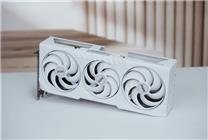

AMD Graphics Cards: A Strategic Shift in China
Summary:
- AMD is consolidating its graphics card and CPU sales teams in China to streamline operations.
- The company aims to secure a 25% market share in the domestic graphics card sector by 2026.
- While AMD faces fierce competition from NVIDIA, the upcoming year appears stagnant for PC hardware advancements.
In recent developments, AMD has been making significant adjustments within its sales structure for graphics cards in China. Over the past two years, the company’s processors have gained traction in the market, but its graphics card division has faced challenges that necessitated a reevaluation.
Unification of Sales Strategies
According to industry insiders, a notable shift has occurred as AMD has transferred its sales director for graphics card products in China to other segments within the business. This change is crucial as it marks the integration of AMD’s consumer graphics card and CPU sales teams. The move aims to enhance coordination and synergy between the two product lines and improve collaboration with AIB (Add-In Board) manufacturers.
This strategic unification is projected to enable AMD to better position itself in a highly competitive market. By streamlining operations and aligning marketing strategies for both graphics cards and CPUs, the company hopes to enhance its overall market performance.
Ambitious Market Goals for 2026
Looking ahead, AMD has set an ambitious target for its graphics card division. The company aims to capture 25% of the domestic market share by 2026. Alongside this ambitious goal, AMD is also pushing for higher sales targets for various AIB manufacturers, indicating a renewed commitment to boosting its visibility and competitiveness in the market.
However, achieving this market share will not come without challenges. The strength of NVIDIA’s graphics cards continues to pose significant competition. NVIDIA excels not only in product offerings but also in partnerships with AIC manufacturers and ecosystem collaborations, placing AMD in a strategic position where it must generate more innovative products and competitive pricing.
Market Outlook and Product Innovations
The upcoming year is anticipated to be a "quiet year" for PC hardware, particularly within the desktop segment. As it stands, neither processors nor graphics cards are expected to present substantial new releases. The much-anticipated RTX 50 SUPER series was initially expected to debut at CES 2026. However, rising memory prices have cast doubts on its launch, leading to uncertainty regarding its eventual availability.
For AMD to achieve its aggressive market objectives, it will need to overcome these challenges by not only producing innovative and powerful graphics card options but also by creating pricing strategies that appeal to a broader consumer base. This multifaceted approach will be integral to gaining market share and establishing itself as a formidable competitor to NVIDIA in the arena of graphics processing units.
In conclusion, while AMD faces several obstacles ahead, including intense competition and market uncertainty, its revised strategies for the graphics card segment in China may lay the groundwork for future growth. With a focus on unified sales operations and ambitious market targets, AMD is poised to make a significant impact in the graphics card market as it strives to increase its share and overall presence in the industry.
As the landscape of PC hardware evolves, stakeholders will be keeping a close eye on AMD’s next moves, anticipating whether it can turn its aspirations into reality amid robust competition.