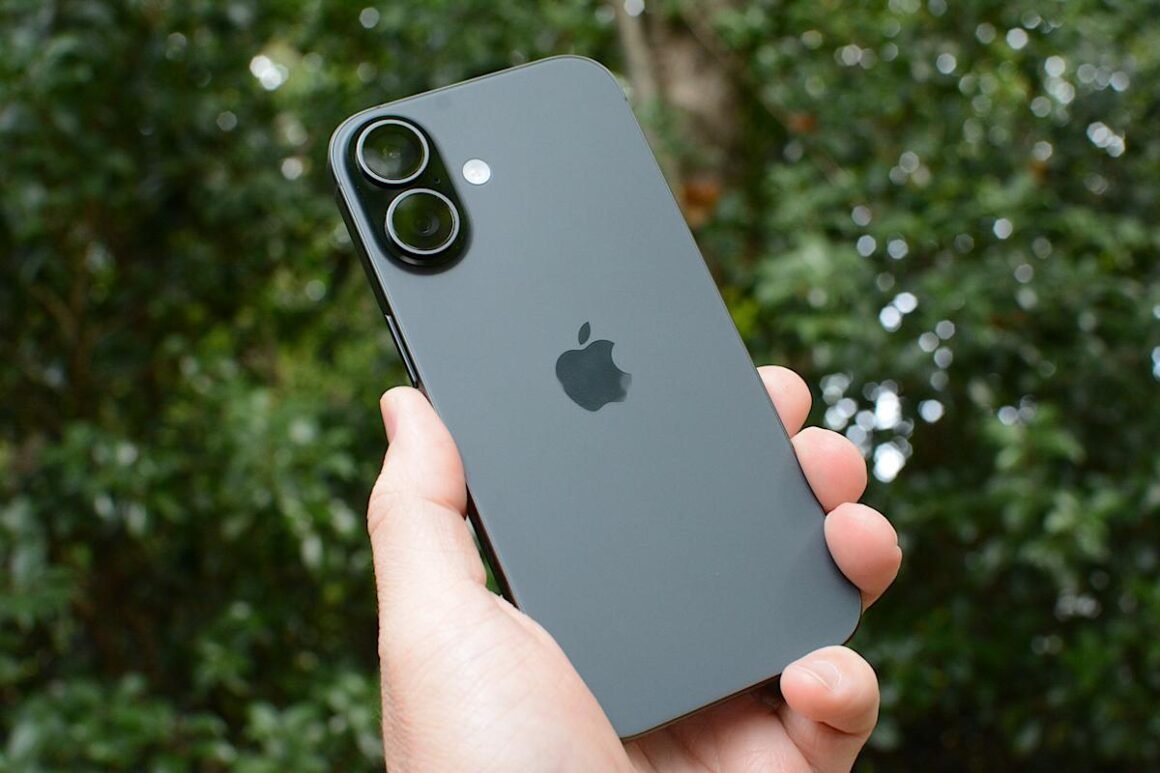

Apple has recently enhanced its satellite messaging capabilities for iPhone users, originally designed for emergencies, to allow sending and receiving messages from remote areas where traditional cellular or Wi-Fi coverage is unavailable. This feature is integrated directly into iPhones starting with the iPhone 14 and supports messaging via satellite as long as users are on iOS 18 or higher. This service is currently available in select regions, including the United States and parts of Canada.
This development is particularly significant for individuals who frequently venture into remote areas, such as hikers, travelers, or outdoor enthusiasts, where communication might otherwise be impossible. Satellite messaging offers a reliable backup for keeping in touch with friends and family when other networks fail, which is especially valuable for those who prioritize safety and connectivity in isolated environments.
In terms of market context, the iPhone 14 and later models equipped with this satellite feature might appeal to buyers looking for dependable communication tools. Alternatives such as satellite phones, which can cost anywhere from $300 to $1,000, serve a similar purpose but often involve higher costs and more complex usage. Conversely, services like two-way radios might cater to users in the backcountry, though they lack SMS capabilities. The pricing for satellite messaging features through Apple is currently unclear, as they may be offered for free initially but could involve future subscription fees depending on the region and carrier.
Overall, the satellite messaging feature is ideal for iPhone users who regularly engage in outdoor activities and want a reliable way to communicate in emergencies or when out of cellular range. However, potential buyers should consider the limitations, such as slower message delivery and the inability to send multimedia attachments. If seamless communication is essential in a remote setting, traditional satellite phones could be a better option for some. Users focused solely on regular smartphone features and who live in urban areas might find little need for this satellite offering.
Source:
www.engadget.com