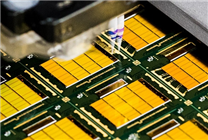

Samsung has announced the upcoming launch of its HBM4E memory, projected to be released mid-2023. This new memory variant is set to utilize advanced 2nm manufacturing technology, which promises enhancements in thermal efficiency and overall performance compared to previous generations. This leap comes amid the increasing demand for High Bandwidth Memory (HBM) driven by advancements in artificial intelligence and machine learning applications.
The significance of this development is particularly relevant for industries reliant on high-performance computing, such as AI developers and data centers. As the need for substantial memory bandwidth escalates, the HBM4E can potentially meet these needs more efficiently. Although specific pricing details are not yet available, the market for high-performance memory, including HBM, is actively evolving, and Samsung’s advancements are expected to impact buyers looking to enhance their computational capabilities.
In a competitive landscape, Samsung’s HBM4E will find itself alongside alternatives from companies like SK Hynix, which is also investing in an upgrade to its memory technology, moving to a custom version of HBM4E designed on a 3nm process. While HBM4E is likely to offer significant performance gains, SK Hynix’s products may present slightly lower performance specifications but with potentially more favorable pricing, catering to a wider range of budget-conscious consumers. Buyers may find interest in existing DDR4 and DDR5 memory options, which although less powerful, can still effectively meet lower-tier performance requirements.
This new offering from Samsung is specifically appealing for businesses that prioritize cutting-edge performance in high-demand environments such as AI and advanced gaming. However, casual consumers or smaller businesses may not find this memory necessary, particularly if their current systems and workloads do not require the high bandwidth that HBM4E offers. For these users, more traditional memory solutions might suffice and could represent a better allocation of resources, especially given potential price premiums associated with cutting-edge technology.
Source:
news.mydrivers.com