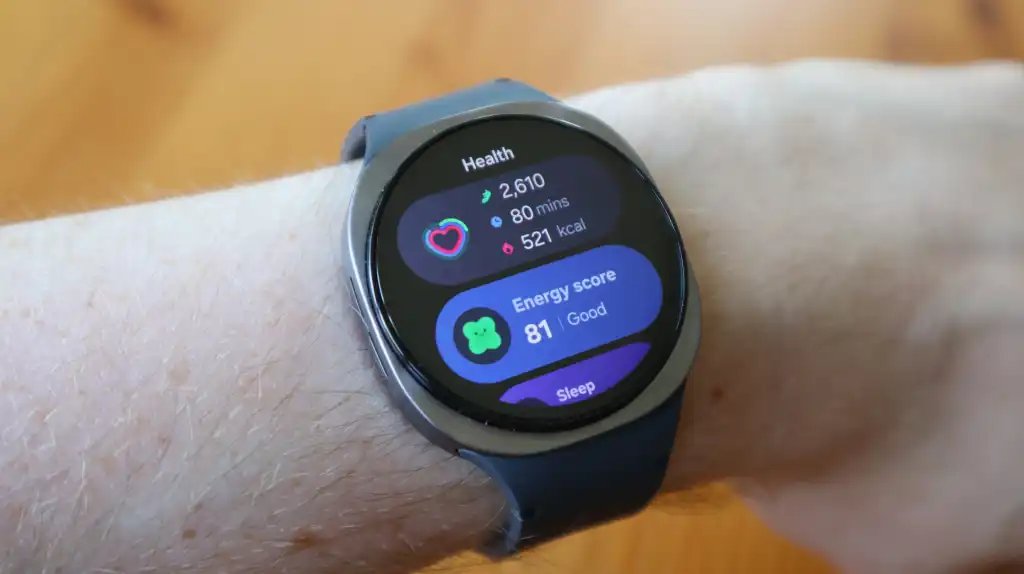

The next generation of Samsung’s Galaxy Watch will transition from its own silicon to Qualcomm’s new Snapdragon Wear Elite chip. This shift promises to deliver five times the performance and a significantly faster GPU, along with enhanced AI capabilities enabled by the chip’s Hexagon NPU. While exact pricing details are still under wraps, this new smartwatch is anticipated to debut in the upcoming months.
This development is particularly relevant for consumers seeking advanced wearables that integrate wellness tracking with artificial intelligence features. The Snapdragon Wear Elite chip is designed to enhance user experience by enabling real-time, context-aware interactions and suggestions. For those specifically interested in smartwatches for health monitoring and daily assistance, this upgrade could greatly enhance functionality, particularly as the market sees parallels in offerings from brands like Garmin and Fitbit.
In terms of market positioning, Samsung’s upcoming smartwatch is expected to compete with other models such as the Apple Watch Series 9, starting at around $399, and the Fitbit Sense 2, available for approximately $299. The Galaxy Watch’s enhanced performance could appeal to users looking for a more robust health tracking solution but may not match the Apple Watch’s extensive ecosystem for those already invested in Apple products. It’s important to compare not only features but also how each device fits into your existing tech landscape and usage patterns.
This smartwatch may be particularly compelling for fitness enthusiasts or tech-savvy users eager for advanced features in wearables. However, for budget-conscious buyers or those who prioritize simplicity over high-end specs, more affordable alternatives might offer everything they need without excess. Someone looking for basic functionality, like timekeeping and step tracking, might find better value in simpler models like the Huawei Watch Fit at around $150.
Source:
www.techadvisor.com