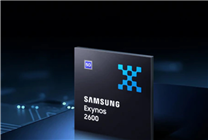

Samsung is gearing up to double its production capacity for 2nm chips, particularly for the Exynos 2600 processor, following a significant expansion of orders from Tesla. The electric vehicle manufacturer is looking to increase its monthly wafer capacity from 16,000 to 40,000 units for the AI6 chip, used in Tesla’s self-driving systems and the Optimum humanoid robot. This increase comes as a result of the successful development of Samsung’s 2nm fabrication process, which promises better performance and lower power consumption compared to previous technologies.
This development is particularly relevant for tech enthusiasts considering the purchase of devices utilizing advanced chip technology. If you are looking at products from brands like Tesla, which leverage Samsung’s latest chips, this expansion could impact your decision. For consumers interested in AI technologies or self-driving systems, Samsung’s advancements may enhance performance in upcoming products. However, it’s important to note that the 2nm chips may not be readily available in consumer devices just yet, as production is still ramping up.
In terms of market context, Samsung’s 2nm chip technology rivals products from companies like Taiwan Semiconductor Manufacturing Company (TSMC), which has been a dominant player with its 7nm to 4nm nodes. However, as Samsung’s new 2nm chips are expected to deliver a 12% performance boost and 25% reduction in power usage compared to their 3nm counterparts, it could become a noteworthy option for AI and high-performance computing. Real alternatives like TSMC’s offerings or even Intel’s upcoming chips are in the mix, but the choice will depend on specific needs, such as power efficiency versus performance or brand loyalty.
Ultimately, those interested in cutting-edge technology, particularly in AI applications, may find Samsung’s 2nm chips compelling. However, consumers looking for budget-friendly options or those who prioritize established brands should consider alternatives from TSMC or Intel. As Samsung continues to ramp up production, the wait for availability might be a deterrent for some buyers, especially those seeking immediate solutions. Additionally, tech enthusiasts might prefer to hold off until more comprehensive data on performance and efficiency becomes available post-launch.
Source:
news.mydrivers.com