
Overclocking RTX 5090: A Cautionary Tale of Extreme Modifications
Summary:
- An RTX 5090 user pushed the graphics card to a staggering 1350W, risking severe damage.
- Utilizing advanced modifications, the user almost faced disaster, but a built-in power supply sensor saved the day.
- This incident highlights both the thrill and dangers of extreme overclocking in gaming and graphics performance.
In the high-octane world of gaming, enthusiasts often seek ways to push their hardware to its limits. Recently, an RTX 5090 user documented a hair-raising experience that serves as both an exhilarating tale and a strong warning about the perils of extreme modifications.
Extreme Overclocking: The Thrill of the Modification
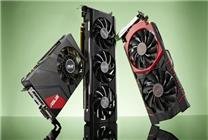
The user undertook a series of in-depth modifications to the MSI RTX 5090 Ventus graphics card. This process included implementing advanced cooling solutions, applying thermal compounds, and executing "shunt modifications" to bypass factory-set power limitations. The objective was clear: unleash the full performance potential of the powerful GPU.
Unbelievable Power Consumption
During the testing phase, things escalated quickly. The graphics card reached an eye-watering power consumption of 1350W, significantly exceeding its standard rating. Such power levels are typically far beyond what consumer-grade components are designed to handle, raising immediate safety concerns.
This drastic increase in power led to an alarming situation. Mid-test, the system cut power abruptly as a protective measure. Investigating the hardware afterward revealed that the 16-pin interface on the GPU had charred, indicating the potential for catastrophic failure.
The Role of Technology in Damage Control
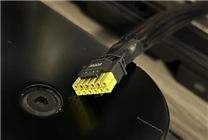
What saved this high-performance setup was a clever aspect of its power supply. Equipped with a PCIe 12V-2×6 cable that included a built-in NTC temperature sensor, the ASRock power supply was designed to detect unsafe thermal conditions. When temperatures surpassed 105°C, the sensor sent a signal that triggered protective shutdown measures, preventing further damage to the sensitive components.
A Cautionary Reflection
After reflecting on the experience, the user candidly acknowledged that they were “playing with fire.” They warned that continual disregard for hardware limitations could lead to irreversible damage. Despite the near-disaster, the thrill of pushing boundaries and the subsequent recovery provided a blend of satisfaction and caution.
Conclusion: Balancing Performance and Safety
The intense encounter underscores a fundamental truth in the gaming and tech community: while overclocking can yield extraordinary performance enhancements, it comes with significant risks. Enthusiasts must exercise due diligence and adhere to safe power limits to safeguard their investment.
To wrap up, hardcore modifications can be incredibly rewarding, but they necessitate careful consideration of safety protocols and technological safeguards. Rigorous testing and built-in safety features, like those present in the ASRock power supply, can mean the difference between a successful upgrade and a costly disaster.
In this rapidly evolving tech landscape, being informed and cautious is paramount in achieving that perfect balance between exhilarating performance and the longevity of your hardware.