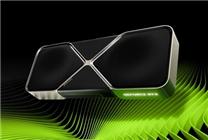

NVIDIA Confirms RTX 50 Series Production Ongoing Amid Supply Challenges
Summary
- No Discontinuation: NVIDIA has confirmed that the RTX 50 series remains in production, refuting claims of discontinuation.
- Supply Constraints: Temporary delays in graphics memory production are affecting availability, not product strategy.
- Market Stability: NVIDIA is absorbing costs to maintain stable pricing for consumers amid rising memory prices.
Recent rumors concerning NVIDIA’s GeForce RTX 50 series, particularly regarding models such as the RTX 5070 Ti, have circulated widely, suggesting that these products have been discontinued. However, NVIDIA has firmly denied these claims, confirming that all models within the RTX 50 series remain in production and are not slated for any form of cancellation or downgrade.
Clarifying Misunderstandings
The confusion surrounding the potential end-of-life (EOL) status of these models appears to stem from misinterpretations linked to initial production schedules. Some channels mistakenly categorized selected models as discontinued, which has led to the false narrative gaining traction.
Production Capacity Challenges
A significant factor contributing to the current availability issue is the slow ramp-up of GDDR7 memory production. This advanced memory, primarily sourced from manufacturers like Samsung, SK Hynix, and Micron, is still under development. The yield rates and overall production scales are gradually improving, yet they have not yet met anticipated demands, particularly for mid-to-high-end models like the RTX 5070 Ti and 5060 Ti, which require substantial video memory configurations.
Industry Reactions
In light of these developments, ASUS officials have clarified that there are no discontinuation plans for the RTX 5070 Ti and 5060 Ti, citing DRAM supply constraints as the main reason for supply delays. This concern revolves solely around the allocation of production capacity rather than any shifts in product strategy.
Timelines and Future Expectations
Initially, NVIDIA aimed to fulfill high-volume shipments of the RTX 50 series between late 2025 and early 2026. However, the delay in the delivery of GDDR7 memory has caused a backlog, necessitating some manufacturers to adjust their launch strategies, prioritizing the flagship RTX 5090 and 5080 models.
Cost Management and Pricing Strategy
Notably, despite the recent spikes in graphics memory prices, NVIDIA has opted not to pass these increased costs onto consumers or partners. Reports indicate that the price of GDDR7 memory is expected to surge in the latter half of 2025, potentially adding an extra $20 to $40 to the cost of high-end graphics cards. Yet, NVIDIA has strategically chosen to mitigate these price increases by subsidizing a portion of the costs to maintain MSRP stability.
Collaboration with AICs
Contrary to rumors suggesting changes in NVIDIA’s collaboration model with add-in card (AIC) manufacturers, it has been confirmed that NVIDIA will continue to provide a comprehensive package that includes both the GPU and video memory. This structure ensures optimal compatibility and consistent performance, while AICs retain the flexibility to customize aspects like cooling solutions and design.
Outlook for the Future
On a promising note, manufacturers like Samsung and SK Hynix are expanding their GDDR7 production capabilities, indicating that the output is expected to rise significantly by the second quarter of 2026. This anticipated increase in production capacity should alleviate current supply issues and allow for the full distribution of models like the RTX 5070 Ti and 5060 Ti, ultimately leading to more rational pricing.
Conclusion
In summary, the RTX 50 series is alive and well, with no models facing discontinuation. The current supply challenges stem solely from the insufficient availability of GDDR7 memory, not from any strategic shifts within NVIDIA. As production ramps up, consumers can look forward to improved availability and stable pricing for these high-demand graphics cards.
Editor’s Note: This article aims to provide a comprehensive overview of the current situation regarding NVIDIA’s RTX 50 series, focusing on production realities and market implications.