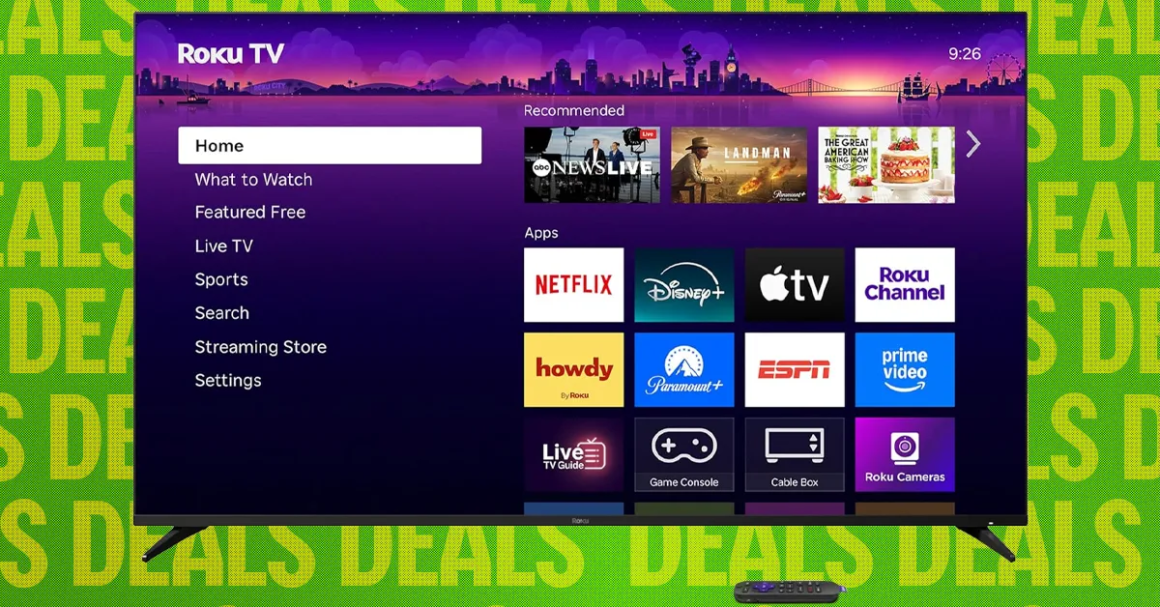

The Roku Pro Series QLED TV (2025) is currently available in 55-inch, 65-inch, and 75-inch models, with the 55-inch version discounted to $690 from its regular price of $800. The television features a mini-LED, QLED display, promising vibrant colors and solid dimming control, making it a compelling option for potential buyers seeking a quality viewing experience. The Roku brand offers an intuitive smart interface and built-in streaming capabilities, which means you won’t need additional devices for accessing popular streaming services.
This TV is particularly relevant for consumers who prioritize a simple, user-friendly interface in a smart TV. If you’re in the market for a new television and want an all-in-one solution for streaming, the Roku Pro Series stands out for its ease of use. Global availability through major retailers like Amazon and Walmart means that it can be easily sourced in various regions, making it an accessible choice for many shoppers.
In terms of market positioning, the Roku Pro Series QLED is competitively priced compared to other mid-range smart TVs. Alternatives like the Samsung QLED series or LG’s OLED options often exceed $1,000, especially for larger screen sizes. While they may offer superior brightness levels and advanced features, they also come with a steeper price tag. If you are mainly using the TV for casual viewing and streaming, the Roku Pro offers a solid balance of quality and affordability without the premium costs associated with its rivals.
While the Roku Pro Series is an attractive choice for many viewers, it’s essential to consider your personal viewing habits before deciding. If you’re a user who requires extensive HDMI connectivity or higher-end specifications for gaming or graphic-intensive media, this TV may not meet all your needs, as it only includes two HDMI 2.1 ports compared to some competitors, which might provide more. Additionally, if you are not fond of the Roku interface, exploring options like Sony’s Bravia series might be worth it, especially for those who prefer a different smart TV environment.
Source:
www.wired.com