
Surge in DRAM Prices Reshapes Graphics Card Market Dynamics
Summary:
- The price of DRAM memory chips has skyrocketed by up to 300%, significantly impacting the PC and graphics card markets.
- NVIDIA has postponed its RTX 50 Super series and is reconsidering its bundling sales strategy for GPUs and memory chips.
- Smaller graphics card manufacturers may struggle to secure chip supplies, affecting their competitiveness in the market.
Recent reports indicate a dramatic increase in DRAM memory chip prices over the last few months, with spot prices soaring by as much as 300%. Contract prices have also seen a substantial rise, climbing between 50% to 70%. This surge has ripple effects across multiple sectors, including personal computers and mobile devices, but the graphics card market is experiencing some of the most significant adjustments.
Impact on NVIDIA and Graphics Card Manufacturers
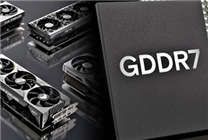
NVIDIA’s RTX 50 Super series graphics cards are facing delays, and previously discounted graphics cards are now seeing price increases. Amidst this price turmoil, NVIDIA is rumored to be contemplating a shift in its longstanding strategy of bundling GPUs with memory chips. Traditionally, graphics card manufacturers would purchase GPU chips and the requisite memory directly from NVIDIA. However, the company has recently ceased acquiring GDDR5/6/7 video memory particles from major suppliers like Samsung, SK Hynix, and Micron. This change effectively forces manufacturers to source these components independently.
Manufacturer Reactions
The reaction from graphics card manufacturers has been mixed. Some established brands, possessing robust market connections and capabilities, may manage to secure a steady supply of memory chips despite the changing landscape. In contrast, smaller manufacturers are likely to face significant hurdles. Without the leverage to acquire adequate chip supplies, they may find themselves compelled to raise prices, which can diminish their competitiveness in a market already teetering on the edge due to fluctuating component costs.
Is NVIDIA Changing Course?
The burning question remains whether NVIDIA will eventually revise its bundling strategy in light of these developments. Some sources within the industry indicate that manufacturers have yet to observe any significant policy changes from NVIDIA, suggesting that the tech giant is still in a phase of observation and evaluation regarding its future approach.
Conclusion
As the situation unfolds, the ramifications of rising DRAM prices are becoming increasingly clear. Graphics card manufacturers, especially smaller players, face an uphill battle in navigating the challenges posed by the market’s evolving dynamics. The actions taken by NVIDIA in the coming weeks will be crucial not only for the immediate market outlook but also for long-term industry stability.
This stage is critical for both manufacturers and consumers alike, who are closely monitoring how these shifts will shape future product availability and pricing. The tech industry watched closely as these developments unfold, with implications that may fundamentally alter the landscape of graphics cards and memory supply chains moving forward.