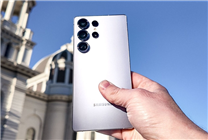

Apple’s iPhone 18 Pro: Reviving Variable Aperture Technology with Samsung
Summary
- Apple’s iPhone 18 Pro is set to introduce innovative variable aperture technology, enhancing photography capabilities.
- In response, Samsung plans to re-enter the variable aperture market, aiming for implementation in its Galaxy S27 series.
- This move could significantly improve Samsung’s flagship camera systems, enhancing its competitive edge in the smartphone market.
Rumors surrounding Apple’s upcoming iPhone 18 Pro have stirred significant excitement, particularly regarding its integration of variable aperture technology. Renowned analyst Ming-Chi Kuo has spotlighted this anticipated feature, which promises to elevate the device’s photography capabilities to new heights.
A Look Back at Variable Aperture Technology
Historically, Samsung first attempted to implement variable aperture technology with the Galaxy S9 series back in 2018. This technology allows the camera to adapt its aperture size according to surrounding light conditions, offering greater flexibility and improved image quality for photographers. However, due to the technical limitations of the time—including pronounced bulges in camera modules and high production costs—Samsung did not continue utilizing this feature in subsequent models.
Samsung’s Strategic Move
With Apple’s announcement to adopt variable aperture in its iPhone 18 Pro, Samsung has been prompted to revisit this technology. The company has reportedly engaged its suppliers, Samsung Electro-Mechanics and MCNEX, to develop samples for its variable aperture system. However, it’s important to note that this technology is still in the early testing phases and will likely not debut until the Galaxy S27 series at the earliest, as the Galaxy S26 series has already been finalized.
The Competitive Edge
The introduction of variable aperture technology on the iPhone 18 Pro positions Apple as a pioneer in smartphone photography innovation, thereby pressuring Samsung to enhance its camera systems significantly. This upgrade is particularly crucial for Samsung, as the Galaxy S series has faced criticism regarding its slower advancements in imaging technology. A successful integration of variable aperture could serve as a pivotal moment, allowing Samsung to restore its flagship models’ reputations.
Implications for Smartphone Photography
The ability to adjust the aperture dynamically can transform the photography experience for users. By allowing more light in under low-light conditions and reducing light for oversaturated environments, variable aperture equips photographers with the tools to capture stunning images in a variety of settings. This feature is particularly appealing to both amateur and professional photographers who demand flexibility and quality from their devices.
Looking ahead
As smartphone manufacturers continue to compete for dominance in the market, the introduction and successful execution of advanced technologies like variable aperture will likely play a substantial role in shaping consumer preferences. Apple’s bold move with the iPhone 18 Pro may very well set the standard for future innovations, compelling competitors like Samsung to rise to the occasion.
In conclusion, as the smartphone landscape evolves, the revival of variable aperture technology is not just a trend—it represents a critical shift in how smartphone photography is approached. With Apple leading the charge, we can expect to see exciting developments that push the limits of mobile camera capabilities in the very near future.
This resurgence of interest in variable aperture technology underscores a renewed focus on camera performance in smartphones, particularly in flagship devices. The rivalry between Apple and Samsung illustrates the competitive spirit of the tech industry, where innovation takes center stage. The upcoming releases will be closely watched by enthusiasts and professionals alike, as they promise to redefine our expectations of mobile photography.