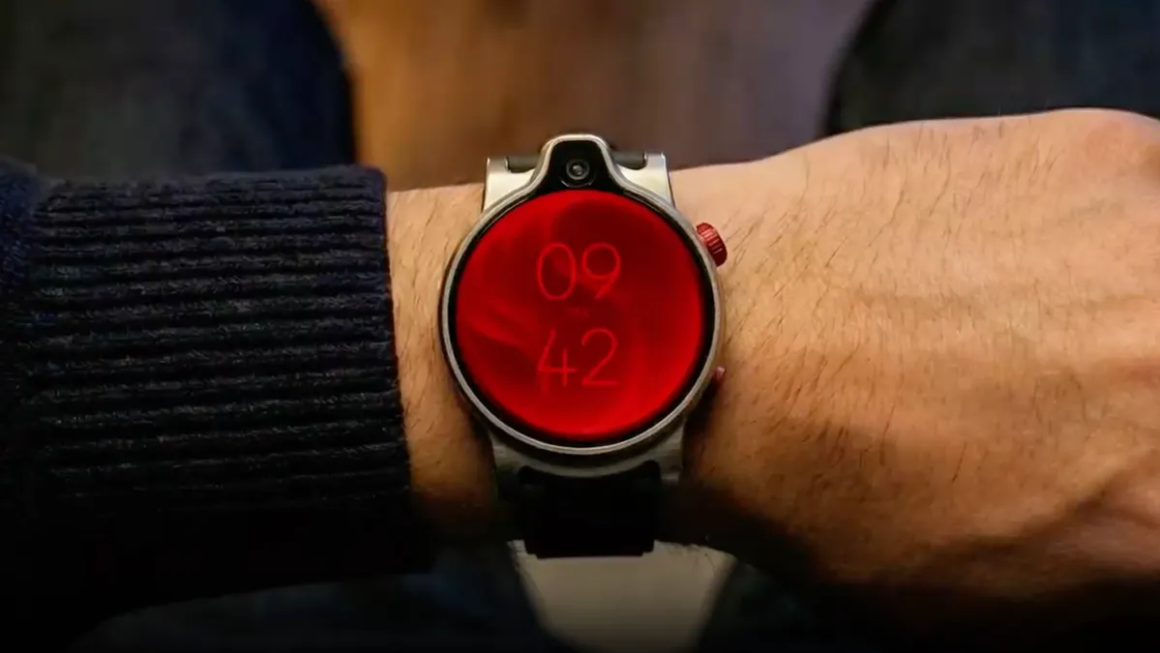

Qualcomm has announced its new Snapdragon Wear Elite chip, designed for use in a wide range of AI-infused wearable devices. This chip promises enhanced processing power and includes capabilities for video input and streaming, supporting AI functionalities such as face recognition and voice-based controls. Devices utilizing this chip are expected to launch in summer 2023, although specific pricing has not yet been disclosed.
This development stands to impact consumers looking for the next generation of wearables, particularly those interested in smartwatches, smart glasses, and AI-driven devices. As major tech companies like Samsung and Google are already building products around this chip, it will offer significant enhancements in performance and functionalities. If you’re considering a new wearable soon, understanding the implications of this chip could influence your purchasing decision, especially if you prioritize AI features and connectivity.
In terms of market context, the Snapdragon Wear Elite chip positions itself among various wearable options currently available. Traditional smartwatches like the Apple Watch Series 8 or Samsung Galaxy Watch 5 remain benchmarks in terms of functionality and design, typically starting around $399 and $279, respectively. Alternatively, more budget-friendly options like the Fitbit Versa 4 offer solid fitness tracking capabilities at around $229, but may lack the advanced AI features Qualcomm aims to integrate. Each option serves different user preferences—fitness enthusiasts might lean toward Fitbits, while users looking for multifunctional tech may favor higher-end smartwatches.
Ultimately, the Snapdragon Wear Elite chip is suited for tech-savvy individuals eager to embrace a wearable that seamlessly integrates AI functionalities into their daily lives. However, if you prefer a straightforward device with a focus on fitness tracking over smart features, models like the Fitbit Versa or even the simpler iterations of traditional smartwatches might better serve your needs. Additionally, those wary of the forthcoming costs associated with AI enhancements may opt for existing devices until more information is available about the price and capabilities of future wearables.
Source:
www.cnet.com