
U.S. Lifts Export Restrictions on NVIDIA H200 Graphics Cards: Implications for AMD and Intel
Summary:
- The U.S. government has allowed NVIDIA to export H200 graphics cards to China, marking a significant shift in export controls on AI technology.
- NVIDIA will need to pay 25% of its revenue from H200 sales to the U.S. government, affecting pricing and profit margins.
- AMD and Intel may also face similar revenue sharing arrangements as the rule is expected to apply to their graphics cards as well.
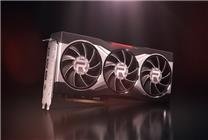
In a notable policy shift, the U.S. government has announced that NVIDIA is now permitted to export its H200 graphics cards to China. This change in export control on artificial intelligence (AI) technology signifies a strategic move by U.S. authorities, bringing potential changes to the competitive landscape within the semiconductor industry.
While this development is promising for NVIDIA, it comes with financial implications. The company must remit 25% of its revenue from H200 sales to the U.S. government. This stipulation will inevitably affect the retail price of H200 graphics cards, leading either to a significant increase in consumer prices or a reduction in NVIDIA’s profit margins. As companies adjust to these new economic realities, stakeholder scrutiny will be higher than ever.
Adding further complexity, President Trump indicated that the new regulations would also extend to graphics cards produced by competitors AMD and Intel. However, specific guidelines for AMD and Intel remain undisclosed. If these companies are likewise required to pay 25% of their revenue from China-bound exports, this could substantially impact their pricing strategies and competitive positioning.
AMD’s Challenges
AMD has already faced significant hurdles in the past due to export restrictions, reporting an alarming $800 million in inventory losses linked to its MI308 graphics cards. These products, much like NVIDIA’s H200, were designed primarily for the domestic market and have been less viable for international sales. With the introduction of the new MI450X graphics card, AMD is poised to deliver cutting-edge technology; however, its specifications must meet stringent criteria that could impede its market entry.
Currently, it’s uncertain whether the MI350X series will face similar restrictions. Confirmation from AMD regarding these guidelines is still awaited, leaving industry analysts and consumers alike in suspense.
Intel’s Position
In contrast, Intel’s situation appears to be less affected by the lifting of the ban. The company has limited exposure in the AI graphics card market, rendering previous export restrictions inconsequential. As a result, the policy change is unlikely to alter Intel’s strategic planning or product offerings significantly. With the absence of a product that meets the upcoming standards for export, Intel finds itself in a comparatively advantageous position.
Conclusion
The U.S. government’s decision to ease restrictions on NVIDIA’s H200 graphics card exports to China marks a pivotal moment in the global semiconductor landscape. However, the implications extend beyond NVIDIA, potentially impacting AMD and Intel, whose strategies may be forced to evolve under new revenue-sharing regulations. As the market adapts to these changes, stakeholders will be closely monitoring the actions and adjustments made by each company in response to this changing regulatory environment.
In summary, the evolving dynamics of the semiconductor export market raise important questions about pricing, profitability, and market access for leading firms. The landscapes for NVIDIA, AMD, and Intel will continue to shift as the details of these regulations unfold, ultimately shaping the future of AI technology in global markets.