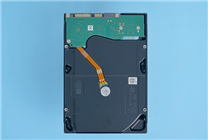

Recently, a user on a popular tech forum shared a heartbreaking experience involving the loss of 14 years’ worth of data from a 14TB Seagate Exos X16 hard drive. The failure was caused by mistakenly connecting a non-standard SATA power cable, which resulted in the hard drive burning out instantaneously. This incident highlights a crucial reminder about the importance of using compatible power supplies and cables when setting up computer hardware.
This situation is particularly relevant for anyone looking to purchase or upgrade their data storage solutions. As more users rely on extensive digital libraries for work or recreation, understanding the risks associated with improper hardware configurations is vital. The incident serves as a cautionary tale, emphasizing the need for careful consideration when choosing components — especially in the case of modular power supplies that may not adhere to a standardized system.
Currently, 14TB hard drives like the Seagate Exos X16 are positioned in a competitive market, typically priced around $400 to $500. Alternatives such as the Western Digital Red Pro or the Toshiba N300 offer similar capacities, often at comparable prices, but may come with different advantages, such as better warranties or varying reliability reviews. It’s essential for buyers to evaluate their storage needs against the cost and reviews of different hard drive models to find the one best suited to them.
Ultimately, this type of high-capacity hard drive is best for users who require substantial storage for large files—like video projects or comprehensive game libraries. However, those who prioritize data safety might consider lower-capacity drives in tandem with robust backup systems, as the risk of data loss can be amplified with larger, single-drive setups. For someone whose needs lean more towards everyday computing, mid-range alternatives may suffice and provide more peace of mind without risking costly mishaps.
Source:
news.mydrivers.com