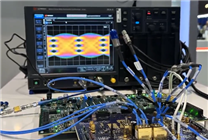

PCIe 8.0, the latest evolution in the PCI Express standard, has recently been announced and is expected to offer an incredible bidirectional bandwidth of up to 1TB/s with a speed of 256GT/s per channel. While the finalized standard won’t be released until 2028, early demonstrations showcase the potential capabilities of this newly emerging technology.
This development is particularly significant for tech professionals in fields with high bandwidth demands such as artificial intelligence, high-performance computing, and large-scale data centers. Although PCIe 6.0 and 7.0 SSDs are not widely adopted yet, this future standard indicates a clear path for accelerated data transfer rates, which may influence purchasing decisions for enterprise-level solutions. Consumers looking to invest in high-capacity data solutions may want to consider how this upcoming evolution could shift industry performance standards.
Currently, PCIe 5.0 is the prevalent standard in consumer devices, offering substantial speed improvements over its predecessors. Alternatives include PCIe 4.0 SSDs, which are more affordable and still provide excellent performance for general use. Prices for PCIe 5.0 options typically range from $150 to $400 depending on capacity and brand. With industry giants like Samsung and Western Digital leading in this segment, prospective buyers should keep an eye on their upcoming releases as they adapt to these new standards.
Investors and professionals should consider PCIe 8.0 if they have immediate needs in high-bandwidth processing or if they foresee a requirement in critical tasks over the next few years. However, for everyday consumers who rely on standard applications and general usage, opting for established PCIe 5.0 options would be more practical and cost-effective. There remains a strong case for choosing a current generation SSD, as the transition to PCIe 8.0 is still on the horizon and may not justify the investment for many users.
Source:
news.mydrivers.com