
The smartphone market is witnessing a resurgence of the passport-style foldable design, with major companies like Apple and Samsung preparing to launch their versions. Apple’s anticipated iPhone Fold is expected to feature a 5.3-inch outer display and a 7.7-inch inner screen that resembles a mini tablet, a shift from the tall, narrow designs that have dominated the foldable market. This design aims to enhance the usability and experience for consumers who want the functionalities of both a phone and a tablet.
This shift to a more compact design is particularly relevant for consumers seeking versatility in their devices. Those who frequently multitask or use apps that benefit from larger screens—like productivity tools or media applications—may find this style advantageous. As foldables trend upward in the global market, the forthcoming launches from Apple, Samsung, and others could influence purchasing decisions significantly. Consumers may now lean towards devices that offer a more tablet-like experience in a portable form factor.
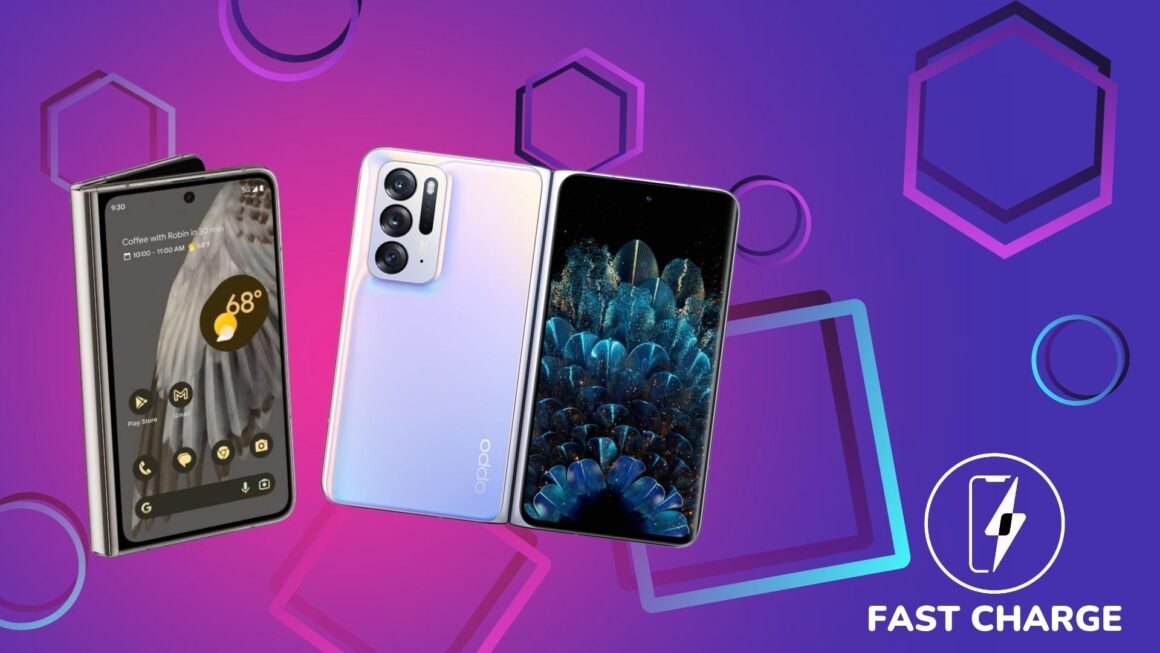
In terms of market context, the iPhone Fold will likely compete against Samsung’s upcoming “Galaxy Wide Fold,” which is rumored to feature similar dimensions and design principles. The Samsung foldable is expected to include a 5.4-inch outer OLED display with a 7.6-inch inner screen, hinting at a price range comparable to Apple’s offering. Other alternatives include devices like the Oppo Find N, which has received praise for its tablet-like proportions but lacks the same level of software support from the app ecosystem. Price points in this segment can vary, but it’s crucial for buyers to consider what fits their needs best, whether they prioritize brand loyalty or specific features.
For consumers enthusiastic about foldable technology, these upcoming devices present exciting options. The new form factor shows potential if you often find yourself needing a larger screen on the go. However, if you primarily use your phone for calls, messaging, and light browsing, you might not find sufficient justification to invest in a foldable. Additionally, those who prefer traditional slab smartphones or are not ready to embrace the foldable format may want to explore conventional models instead, which often provide better battery life and less complexity.
Source:
www.trustedreviews.com