
Avoiding Graphic Card Scams: The Rising Issue of Fraudulent Deliveries
- Rising cases of fraud in online graphics card purchases, particularly on platforms like Amazon.
- Scammers are exploiting shipping weight loopholes to mislead buyers.
- Vigilance in unboxing and verification is crucial for consumers.
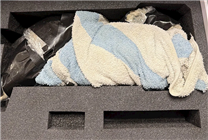
In a recent alarming trend, buyers on both second-hand and mainstream e-commerce platforms are finding themselves at the receiving end of potentially costly scams when purchasing graphics cards. Reports have emerged highlighting a series of incidents where customers discovered unexpected items—specifically, stones wrapped in towels—instead of the high-performance graphic cards they ordered.
One notable case shared by Reddit user "Dazzling_Course8755" detailed the unfortunate experience of purchasing an MSI RTX 5090 SUPRIM through Amazon. To his shock, upon opening the package, he uncovered a stone, meticulously wrapped as if it were the coveted graphics card he sought. The user wisely documented the entire unboxing process, emphasizing the importance of proof in such dubious transactions. He lamented, "I’ve always thought this wouldn’t happen to me. The second-hand sales team has truly let me down. Did anyone inspect the items? The sealing was horrendous!"
This case marks the fourth reported incident of anomaly with the RTX 5090 sold on Amazon within the month, suggesting a worrying pattern of either counterfeit products or items plagued with issues. The imagery accompanying the report illustrates the Amazon LPN tags typically utilized for tracking returns, revealing that these items should never have been resold.
A Systematic Flaw Exposed
It appears that certain flaws within Amazon’s logistics and returns inspection system are allowing fraudulent resold products to enter the market, especially in cases involving heavy items like flagship graphics cards. The weight factor has become a common method for scammers to bypass verification.
According to MSI’s specifications, the RTX 5090 SUPRIM card weighs approximately 2840 grams, with the entire boxed package tipping the scales at around 3695 grams. Scammers exploit this weight requirement by filling the shipping package with heavy objects, such as stones, to mimic the expected weight range, evading fundamental verification checks.
While the user chronicled his experience has managed to capture compelling evidence, not every buyer will have the forethought to document every detail. This exposes a critical vulnerability for consumers in the online marketplace.
Steps for Consumers to Protect Themselves
To navigate this increasingly treacherous landscape of online electronics shopping, consumers are encouraged to adopt several precautionary measures:
-
Document Everything: Always record the unboxing process. This not only serves as evidence should an issue arise but can also assist customer service in addressing claims effectively.
-
Purchase from Reputable Sellers: Opt for vendors with established ratings and reviews. When in doubt, consider buying directly from manufacturers or authorized resellers.
-
Verify Product Serial Numbers: Upon receipt of tech items, cross-check serial numbers and specifications on the manufacturer’s website to ensure authenticity.
- Report Suspicious Activities: If you find yourself a victim of such scams, report the incident to the platform and relevant consumer protection agencies.
As this alarming trend continues to develop, it remains to be seen how Amazon and other e-commerce platforms will respond to ensure consumer safety and trust. The responsibility lies not only with the retailers but also with buyers to remain vigilant and proactive against potential scams in the digital marketplace.
In conclusion, navigating the world of online shopping requires due diligence, especially when high-value items like graphics cards are involved. By staying informed and cautious, consumers can better protect themselves from the growing menace of online fraud.