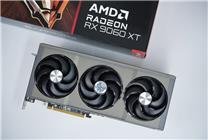

NVIDIA is set to unveil its next-generation GPU architecture, named Feynman, at the GTC conference from March 16-19. This release is anticipated to showcase at least two significant products; one will focus on machine learning inference through a new LPU (Logic Processing Unit), while the other will be the highly awaited Feynman GPU. The Feynman architecture will use TSMC’s A16 manufacturing process, which is the world’s first 1.6nm technology, promising increased performance and power delivery capabilities for high-performance computing.
This is particularly relevant for professionals in fields like artificial intelligence, data science, and high-performance computing. If you work in these areas and are considering hardware upgrades or future-proofing for upcoming projects, the Feynman GPU could be a significant player in your decision-making. However, it’s important to note that consumer availability might not align with current needs, as the Feynman GPUs are targeted more toward enterprise users and data centers rather than individual consumers or gamers.
In terms of market positioning, the Feynman GPU may come with a high price tag due to its advanced manufacturing process and specialized use cases. Current high-end alternatives include GPUs like the NVIDIA RTX 4090 and AMD’s RX 7900 XT, which serve well for gaming and creative applications. While these options provide substantial performance at lower prices—ranging from $1,200 to $1,500—Feynman’s core focus is on enhancing AI applications rather than traditional gaming functionalities. Thus, while prosumers might benefit from these existing high-end models, those engaged in scientific research or heavy computational tasks may find the Feynman GPU more aligned with their specific needs.
Ultimately, the Feynman GPU will be a top-tier option for organizations and professionals requiring substantial computing power for AI applications. However, if your primary focus is gaming or general-purpose use, the current offerings from NVIDIA and AMD may suffice. It’s worth considering that the anticipated high power consumption—projected to exceed 1,000 watts—could lead to increased costs, not just in purchasing but also in energy requirements and cooling solutions. For casual gamers or standard users, investing in this highly specialized GPU may not yield the best results or value.
Source:
news.mydrivers.com