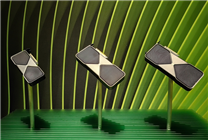

NVIDIA is in the testing phase of a new high-end GPU based on its Blackwell architecture, positioning it as a more powerful option than the RTX 5090. Rumored to be named the RTX 5090 Ti or Titan, the card features an impressive 22,848 CUDA cores—a 5% increase from the RTX 5090—while not fully utilizing the potential maximum of 24,064 cores available in the architecture. This card’s power consumption is expected to be substantial, maintaining between 700W and 750W under normal operating conditions, with prototype models potentially exceeding 1,000W.
This development is significant for tech enthusiasts and gamers who seek the highest performance available. However, it’s essential to note that this card is not yet available to consumers, and its massive power and cooling requirements mean that only users with top-tier gaming setups or specific professional needs will find it practical. This is particularly relevant for those invested in high-resolution gaming or AI workloads, as the GPU is speculated to be optimized for both gaming and AI applications.
In the current market, the landscape for high-end GPUs includes options like the RTX 5090 and AMD’s top offerings, such as the RX 7900 XTX. Priced around $1,600, the RTX 5090 represents the pinnacle of available consumer graphics technology today. In contrast, the RTX 5090 Ti or Titan, once launched, is expected to be positioned at an even higher price point, potentially exceeding $2,000. For those looking for performance, the RTX 5090 remains a more attainable option, while the AMD RX 7900 XTX may suit users seeking strong performance at a slightly lower price.
The decision to consider the upcoming RTX 5090 Ti or Titan should be based on individual needs. For hardcore enthusiasts or professionals requiring maximum performance for specific tasks, this GPU may be ideal. However, the overwhelming power and associated costs will make it less suitable for average gamers or users who do not engage in resource-intensive applications. Additionally, the potential for the Titan prototype not reaching the commercial market is a factor to consider before investment. Users may find better value in existing models that meet their performance needs without the risks associated with new, unreleased technologies.
Source:
news.mydrivers.com