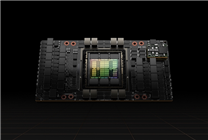

NVIDIA CEO Jen-Hsun Huang on H200 Chip: No Orders Yet
Key Takeaways:
- NVIDIA’s H200 chip has not garnered any orders from China as of now.
- Huang expresses hope for approval from the Chinese government to sell the chip.
- The export license for H200 is still pending approval from U.S. officials.
In a recent visit to Taiwan, NVIDIA’s CEO Jen-Hsun Huang made headlines with his statements regarding the H200 AI chip. During his visit, he highlighted that NVIDIA has yet to receive any orders for the H200 chips from Chinese buyers. This has raised questions about the future of NVIDIA’s sales strategy in China, a significant market for tech products.
Huang remarked, "I hope the Chinese government will permit NVIDIA to sell the H200. The power to make this decision lies with them, and they are currently in the process of evaluation. We must wait patiently for them to finalize their assessment." This statement underscores the intricacies involved in navigating the regulatory landscape while attempting to penetrate international markets.
Despite meeting potential customers during his recent trip to mainland China, Huang confirmed that no new orders for the H200 chips have materialized thus far. He maintained that the H200 is ideally suited for the Chinese market, expressing optimism about its reception among prospective customers.
The H200 chip belongs to NVIDIA’s older series of AI products, which have been recognized for their robust capabilities. Notably, the United States has indicated a conditional approval for selling this product to China. Nevertheless, Huang cautioned that the export license required for the H200’s movement is still pending authorization from U.S. authorities.
One of the challenges NVIDIA faces is the complex landscape of international tech regulations. The uncertainty surrounding semiconductor exports has created challenge for companies seeking to expand their operations into lucrative markets like China. Huang’s comments suggest a cautious yet hopeful approach as NVIDIA awaits the Chinese government’s decision regarding the H200 chip.
NVIDIA’s strategy in China reflects a broader trend impacting technology firms aiming for market growth amid tightening regulations. The demand for advanced AI chips continues to rise, especially within the Chinese tech ecosystem, which actively seeks state-of-the-art solutions for artificial intelligence and machine learning applications.
As businesses worldwide lean into AI development, the pressure for rapid deployment of new technology becomes paramount. NVIDIA’s H200 is positioned as a crucial player in this emerging arena, and its success could hinge on timely approvals and customer buy-in.
Furthermore, Huang’s perspective offers insight into the wider implications of international trade relations on tech innovation. Companies not only need to develop cutting-edge products but also navigate the political and economic landscapes that shape their market viability.
In conclusion, while NVIDIA clings to hope regarding the prospects of its H200 chip in China, it faces a unique set of challenges characterized by regulatory hurdles and competitive dynamics in a fast-evolving tech environment. The coming months will be pivotal for Huang and his team as they seek to turn these challenges into opportunities, waiting on the Chinese government to finalize its decision on the new export licenses.
As the world of technology continues to evolve, the effectiveness of companies like NVIDIA will largely depend on their agility and adaptability in response to ongoing geopolitical shifts. The situation will be closely monitored by industry analysts and tech enthusiasts alike, as it may provide valuable insights into the future landscape of semiconductor sales in global markets.