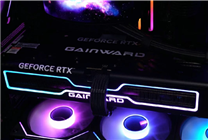

This week, Nvidia’s latest release, DLSS 5, has sparked significant controversy within the gaming community. Unlike previous iterations, which focused on improving resolution and frame rates, DLSS 5 introduces deeper AI involvement aimed at enhancing character models and environmental details. This shift has drawn fierce criticism from game developers, who argue that it undermines the artistic integrity of their work.
For those considering gaming hardware and software, the implications of DLSS 5 are crucial. As this technology rolls out, it could influence decisions for gamers purchasing new graphics cards or developing games. Developers now face a dilemma where the aesthetics they crafted may be altered or erased by AI functions. This is particularly pertinent for indie and traditional developers who prioritize artistic vision.
In the current tech landscape, Nvidia’s graphics cards powered by DLSS 5 operate in a competitive market. Alternatives include AMD’s latest offerings, which focus on high-quality rendering without AI-induced changes, and Intel’s emerging graphics solutions. Each brand targets different user preferences—AMD caters to traditional gamers valuing raw performance, while Intel’s innovations may appeal to those seeking integration with modern gaming environments. Pricing varies, with Nvidia’s high-end cards over $1,000, while alternatives can start around $300 for mid-tier performance.
This recent development in AI-driven graphics presents a conundrum for many potential buyers. Those who value artistic precision and the developer’s intended vision may choose to remain cautious or even avoid Nvidia’s offerings due to the significant changes to game aesthetics. Conversely, for players prioritizing graphical fidelity and enhancements regardless of artistic intent, this could be an appealing upgrade. Ultimately, if the prospect of an AI-dominated art style is unsatisfactory, exploring alternatives might be the better choice.
Source:
news.mydrivers.com