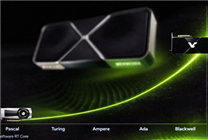

NVIDIA recently made headlines with its announcement regarding the Blackwell RTX 50 series, claiming that its path-tracing performance will surpass historical benchmarks by significant magnitudes. Specifically, NVIDIA claims that this next-generation GPU will eventually achieve a performance increase of up to 1,000,000 times compared to earlier models, though no specific timeline for this advancement has been provided.
This is particularly relevant for consumers looking to invest in high-performance gaming graphics cards. With the GPU market constantly evolving, knowing what to anticipate can help buyers make informed decisions. However, the gimmicks behind these claims, especially the lack of clarification on the comparative benchmarks used, may leave potential buyers skeptical about NVIDIA’s intentions and the true capabilities of the forthcoming models.
When considering existing options, NVIDIA’s own lineup, including the RTX 30 series, remains a strong contender. Alternatives such as AMD’s Radeon RX 6000 series also offer competitive performance at various price points, often with better value in mid-range offerings. For buyers looking for budget options, GPUs from the previous generation or even mid-tier models from the latest generation can still provide satisfactory performance for most gaming needs. Price ranges typically span from around $250 for entry-level models to over $1,500 for top-tier options, making it essential for buyers to assess their individual requirements and budget carefully.
This announcement from NVIDIA may entice those who want the latest in graphics technology, especially for future-proofing their systems. However, it’s crucial for consumers to weigh whether they need the cutting-edge performance that the RTX 50 series promises or if current market offerings suffice for their gaming experience. If immediate performance is a priority, or if budget considerations are paramount, sticking with established models is advisable. Some may find that exploring AMD’s options or even used models could better suit their needs without waiting for NVIDIA’s future advancements.
Source:
news.mydrivers.com