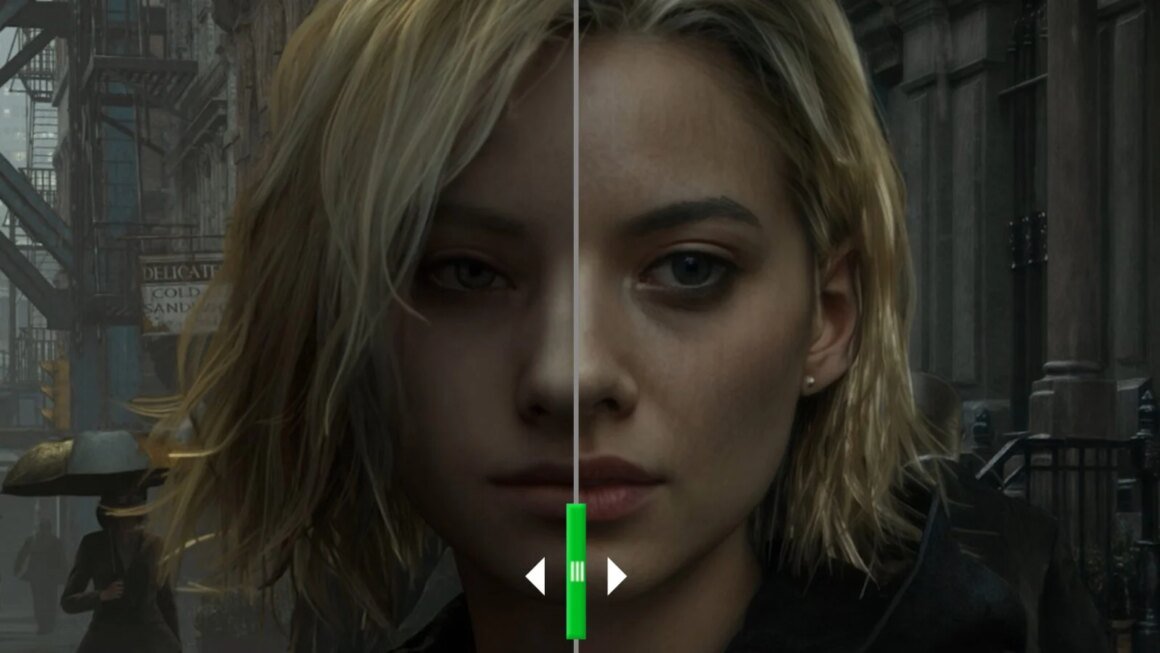

Nvidia has revealed its latest upscaling technology, DLSS 5, which aims to enhance gaming visuals by leveraging AI-generated graphics. Set to be available this fall for users of the RTX 50 series graphics cards, this technology has sparked considerable debate among the gaming community regarding its aesthetic approach. Jensen Huang, Nvidia’s CEO, staunchly defended DLSS 5 against criticism, positioning it as a significant leap in gaming graphics.
This launch is significant as it offers RTX 50 users the chance to elevate their gaming experience. The technology’s ability to modify lighting and materials in real time could appeal to those seeking enhanced visual fidelity in games. However, for consumers currently using older RTX models or non-Nvidia systems, the impact may be less pronounced. As DLSS 5’s initial rollout is set for this fall, its performance and reception will likely influence future GPU purchases.
In terms of market competition, DLSS 5 will face off against technologies like AMD’s FidelityFX Super Resolution (FSR) and Intel’s XeSS. While Nvidia’s offering focuses on AI integration for a potentially richer visual experience, FSR and XeSS provide alternative approaches to upscaling without altering artistic intent. These options appeal to budget-conscious gamers or those with existing hardware that might not support DLSS 5. Prices for these competing solutions can vary widely, which is crucial for consumers considering their next upgrade.
DLSS 5 may suit gamers who prioritize cutting-edge graphics and own compatible hardware, but it may not be the best choice for everyone. Those who prefer to maintain the artistic vision of game developers might find the technology’s ability to alter game aesthetics concerning. Moreover, gamers with tighter budgets or older hardware—who may not benefit from DLSS technology—should consider more accessible alternatives that fit within their pricing range and support their current setups.
Source:
www.01net.com