
NVIDIA GPU Positioning Technology: What You Need to Know
Summary:
- NVIDIA has developed a GPU positioning technology for monitoring chip locations in real time.
- The service, which is optional for users, is aimed at data service providers.
- NVIDIA’s CEO has denied rumors of remote controls or self-destruct features in their graphics cards.
In recent developments, NVIDIA has officially unveiled a new GPU positioning technology that allows for real-time monitoring of the physical location of its graphics processing units (GPUs). This capability mirrors features found in mobile devices, like the "Find My Phone" functionality seen in both Apple and Android systems. Although NVIDIA has frequently dispelled rumors regarding potential backdoors in its hardware, recent reports have reignited concern about the monitoring features available on its latest graphics cards.
Understanding GPU Positioning Technology
The new technology leverages telemetry data from the GPU, which provides insights not only about its physical whereabouts but also essential metrics concerning its operational health. This includes monitoring parameters such as power consumption, heat dissipation, and aging processes. By enabling cloud service providers to utilize this data through NVIDIA’s NGC (NVIDIA GPU Cloud) portal, the technology aims to enhance the management and longevity of GPUs deployed in diverse environments.
Optional Service for Data Providers
NVIDIA has clarified that the GPU positioning service will be hosted on its NGC platform, allowing users to opt in or out according to their needs. This voluntary subscription model indicates that not all customers are required to activate this feature, thereby alleviating some concerns about involuntary monitoring.
However, the timing of this announcement coincides with the H200 graphics card’s export to domestic markets, which has raised eyebrows. Speculation surrounding the implementation of remote lock capabilities and self-destruct features, particularly if a GPU is found to be improperly installed, has taken hold in various circles.
Reassurance from NVIDIA’s CEO
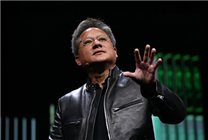
In the backdrop of these mounting concerns, NVIDIA CEO Jensen Huang has stepped forward to address the anxieties voiced by customers. He categorically denied the presence of a remote control mechanism or a self-destruct option within their GPUs. According to Huang, "There is no feature in NVIDIA’s GPU that allows for remote disabling by NVIDIA or any other controlling entity."
This statement aims to provide customers with clarity and reassurance, reinforcing the company’s commitment to transparency and user autonomy in the operation of its products.
Implications for Users and the Market
The introduction of GPU positioning technology could have significant implications for both end consumers and businesses relying on NVIDIA hardware. For mobile gamers and casual users, the ability to monitor and maintain the health of their GPUs can enhance performance, especially under demanding gaming scenarios. On the other hand, for cloud service providers, the capability to keep track of the physical state of their hardware can lead to better resource management and optimization.
However, the rumored functionalities concerning locking or self-destructing GPUs could deter potential customers worried about losing access to their devices or data. As technology advances, maintaining user trust while innovating is crucial for NVIDIA as it navigates public perception.
Conclusion
NVIDIA’s announcement of real-time GPU positioning technology has opened avenues for enhanced hardware management while simultaneously sparking controversy over its intended use. With an emphasis on user choice and transparency, the company is making strides in integrating advanced monitoring capabilities into its products.
As consumers become increasingly aware of privacy issues related to technological advancements, NVIDIA’s proactive communication will play a critical role in shaping customer trust moving forward. For now, users can remain assured that their NVIDIA GPUs will operate autonomously without the threat of external control or destruction.