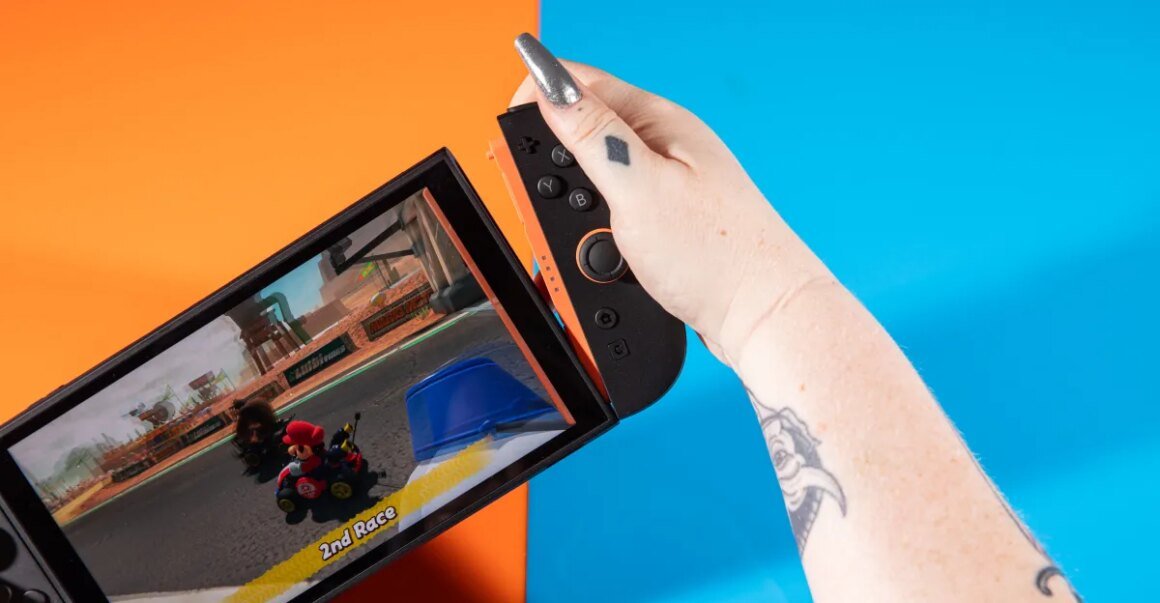

Nintendo is set to revise its Switch 2 console, allowing users in the European Union to replace their own batteries, as needed by forthcoming regulations. Currently, the Switch 2 features a glued-in battery, but the revision will include replaceable batteries for both the console and the Joy-Cons, with a release expected soon. This change is significant for European consumers, as it aligns with new laws aimed at promoting device longevity and repairability.
This development matters primarily to prospective buyers in the EU, as they’ll soon have greater control over their gaming devices. If you’re in the market for a Switch 2 and are concerned about battery life or longevity, this improvement may influence your decision. While the battery swap feature is currently exclusive to the EU, it raises questions about potential global changes in device design, potentially benefiting consumers everywhere in the near future.
In the market, the Switch 2 competes with various gaming consoles and PCs. Priced around $350, it offers portable gaming with a rich library of titles. Alternatives include the PlayStation 5 and Xbox Series X, both priced higher and designed for home use, offering top-tier graphics and performance for gamers who prioritize visual fidelity over portability. Conversely, budget options like the Nintendo Switch Lite provide a more affordable entry point for those who don’t require detachable controllers or high-definition graphics.
The revised Switch 2 may be appealing to frequent travelers or casual gamers who value flexibility and ease of use. However, those who prioritize high-end graphics or extensive online multiplayer experiences might find better satisfaction with traditional consoles like the PlayStation 5 or Xbox Series X. Buyers might also hold off if they already own a Switch, as the incremental upgrade may not offer sufficient value for those who don’t regularly experience battery issues. Ultimately, consider your gaming habits and device preferences before making a choice.
Source:
www.theverge.com