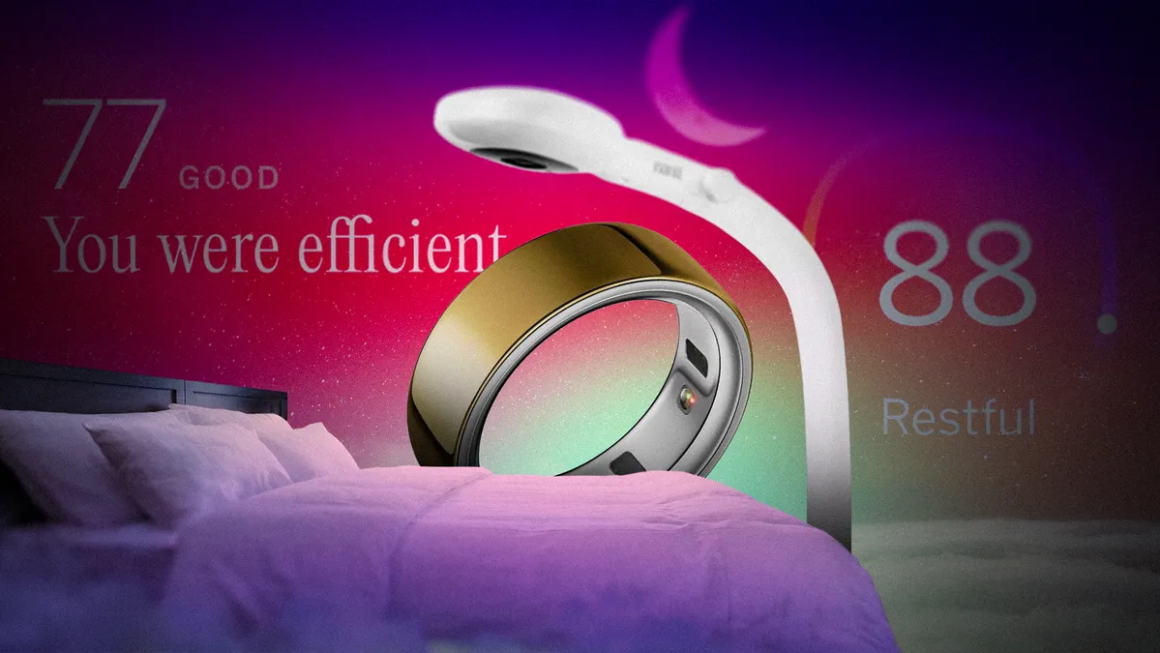

The Nanit Pro Baby Monitor introduces an AI-driven sleep score feature, designed to help parents track their child’s sleep patterns. This score rates sleep quality on a scale from 0 to 100, assessing aspects like sleep duration, timing, continuity, and the frequency of parental visits. While the monitor is primarily targeted at parents of infants and toddlers, it has implications for anyone interested in smart home devices focused on health and wellness.
This feature matters to parents who are keen on understanding their child’s sleep habits, especially in an era where sleep quality is increasingly recognized as a critical factor in overall health. The sleep scores can help parents adjust routines to promote better sleep, which is particularly relevant as children experience developmental changes that affect their sleeping patterns. For parents, having a data-driven approach to monitor sleep can alleviate anxiety and inform necessary adjustments in bedtime rituals.
In the current market, the Nanit Pro sits in the premium category of baby monitors, typically priced around $299. Alternatives such as the Motorola Halo+ ($150) and the VTech RM7764HD ($129) offer basic monitoring features but lack advanced sleep score technology. On the other end, there are more sophisticated baby monitors, like the Owlet Smart Sock ($299), which tracks more than just sleep but also vital signs. Each of these products has its audience: budget-conscious parents may prefer the basic features, while tech-savvy individuals might choose the Nanit for its holistic health approach.
Ultimately, the Nanit Pro Baby Monitor is a worthwhile investment for parents focused on monitoring and improving their toddler’s sleep quality. However, it may not appeal to those who prefer a simpler, more traditional monitoring system or who are looking for a more budget-friendly option. Additionally, if a parent is skeptical about the necessity of fancy technology in their daily lives, opting for a more straightforward monitor might be preferable.
Source:
www.cnet.com