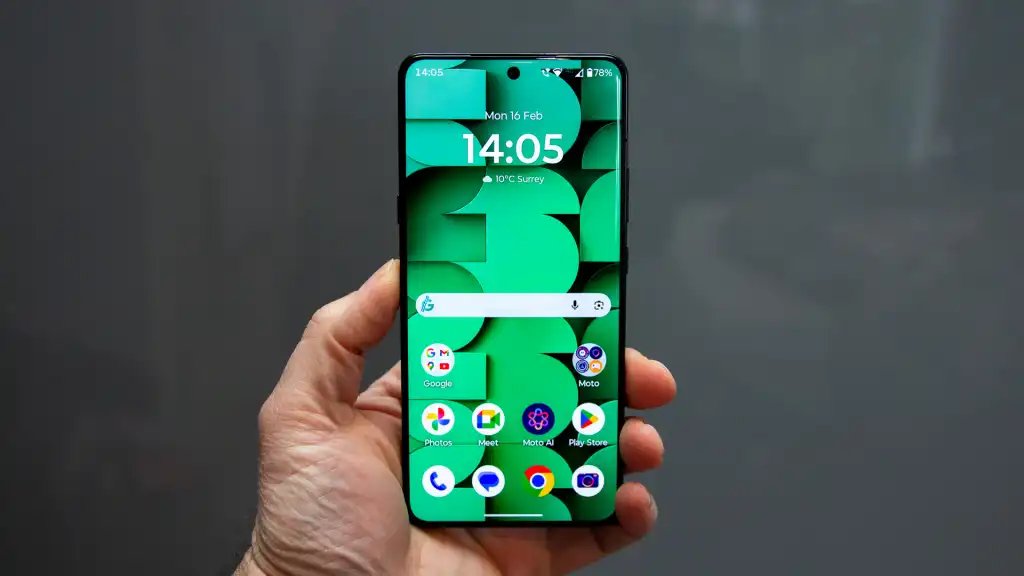

The Motorola Signature, priced at around $1,100, emerges as the company’s latest flagship smartphone. It offers an impressive Snapdragon 8 Gen 5 processor, a 6.8-inch OLED display with a refresh rate of 165Hz, and a flexible camera setup featuring four 50MP sensors. However, its availability in certain regions remains limited, and some of its software experiences may detract from the overall appeal.
This device is particularly relevant for consumers in the premium smartphone market who prioritize a slim design and robust performance. With seven years of software updates, the Signature aims to assure buyers that their investment will remain relevant longer than many competitors. However, it is currently unavailable in the U.S., which might make it less attractive for American buyers looking for their next device.
In terms of market positioning, the Motorola Signature competes against notable alternatives like the OnePlus 15, priced at around $1,000 and featuring a similar Snapdragon processor but with a slightly larger battery. The Samsung Galaxy S25 Ultra offers more robust camera capabilities and flexibility at a premium price point of about $1,200. For those motivated by camera performance, the Galaxy may hold more sway. On the other hand, the Pixel 10 Pro XL is available for roughly $1,150, known for its photography prowess, making it a worthy consideration for camera enthusiasts who prioritize exceptional image quality over raw specifications.
In conclusion, the Motorola Signature is a well-constructed device for users seeking a high-performance smartphone with a stylish finish. It suits those who value longevity in software support and multimedia experiences. However, potential buyers should weigh this against its limitations, such as the subpar battery life and the cluttered software interface. If seeking a stellar camera performance or longer-lasting battery, alternatives like the Pixel 10 Pro XL might be more suitable choices.
Source:
www.techadvisor.com