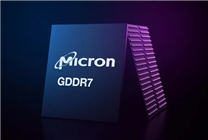

Micron has recently introduced its latest 24Gb (3GB) GDDR7 memory, featuring a data rate of 36Gbps. This is a notable improvement over the initial GDDR7 modules that launched at 32Gbps, reflecting a 12.5% increase. However, Micron’s speed is still lower than its competitors; Samsung offers GDDR7 speeds of up to 42.5Gbps, while SK Hynix has products reaching 40Gbps and is developing a 48Gbps version.
For those in the market for graphics cards or related high-performance computing products, this development is significant. While Micron’s new GDDR7 memory supports configurations of up to 96GB on a single card, it may not provide the best options for consumers seeking top-tier performance at this moment. The GDDR7 memory is incorporated in current NVIDIA offerings like the RTX 5090, which operates at 30Gbps, and the RTX 5080, which runs even lower at 28Gbps. This disparity might influence purchasing decisions, particularly for gaming and professional use cases.
In terms of market positioning, Micron is entering a competitive landscape where speed and specification can heavily influence consumer choice. The GDDR7 offerings from companies like Samsung and SK Hynix currently dominate with higher speeds, and consumers may find those options more appealing if they require the fastest memory available. Additionally, for buyers considering budget alternatives, there are still reliable GDDR6 options that perform adequately for many applications and gaming setups, often at a lower price point.
This new memory is a suitable option for users looking for an upgrade that addresses the current supply issues in the market, as Micron’s entry is expected to alleviate some of the chip shortages affecting NVIDIA and other manufacturers. However, those focused solely on top performance might want to explore alternatives from Samsung or SK Hynix. For anyone prioritizing speed above all, the existing GDDR7 offerings from these competitors may warrant consideration over Micron’s new product. Ultimately, it’s crucial for buyers to evaluate their specific needs and weigh the trade-offs between current specifications and potential future upgrades.
Source:
news.mydrivers.com