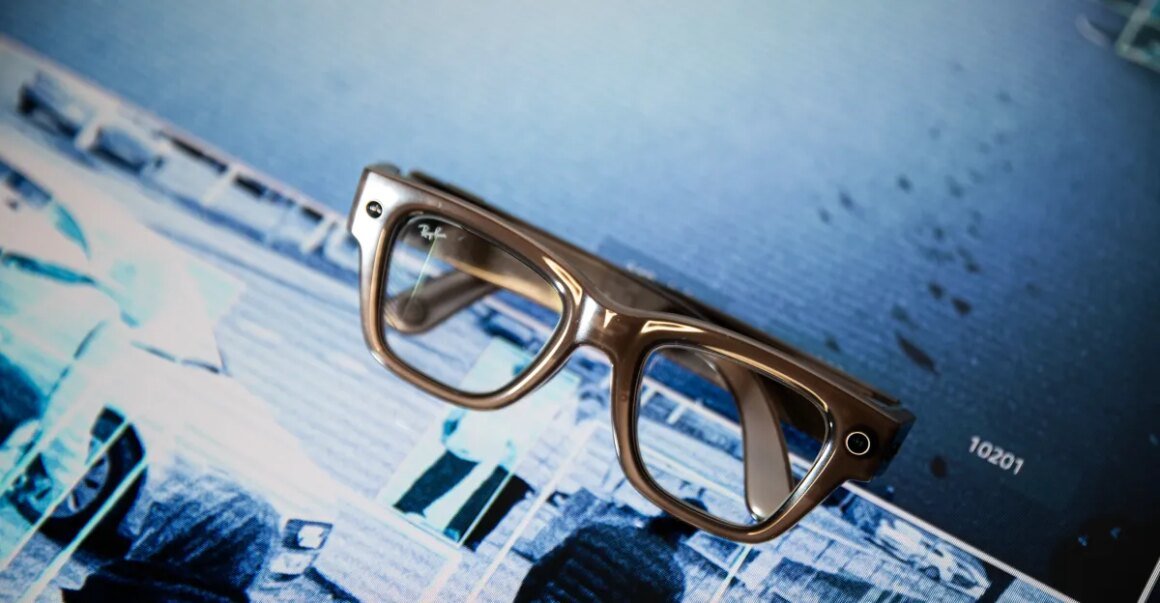

Meta recently advanced its foray into wearable tech with the release of the Ray-Ban Meta smart glasses. These devices are designed to blend style with functionality, featuring built-in cameras for capturing photos and videos discreetly. However, the model raises significant concerns around privacy and data security, especially in light of Meta’s controversial history.
This launch matters particularly for individuals seeking daily convenience in their devices, especially those interested in enhancing their social experiences through technology. The glasses have entered the global market, now competing with existing offerings that cater to a discerning audience. Users looking for hands-free interactions or the ability to capture moments effortlessly might find value here, but the wariness surrounding Meta’s approach to privacy could be a dealbreaker for many.
In the current wearable tech market, the Ray-Ban Meta glasses are priced around $300, making them a mid-range option. Competing products include the Snap Spectacles at approximately $250 for a simpler camera experience and the Google Pixel Buds for about $200, focusing more on audio than visuals. Furthermore, the conventional prescription glasses market could offer clear alternatives for usability without the added risk of surveillance and data collection. Each option possesses distinct appeal to various audience segments; for example, the Snap Spectacles are tailored for users prioritizing casual content creation, while traditional glasses are ideal for consumers focused solely on vision correction.
Ultimately, the decision to purchase the Ray-Ban Meta smart glasses should depend on an individual’s priorities regarding privacy and tech integration into everyday life. Those who require robust data protection or who are skeptical of Meta’s operations could lean toward alternatives like the Snap Spectacles or traditional eyewear solutions. However, if you prioritize smooth integration with social media sharing and hands-free functionality, this option might be worthwhile despite the deeper concerns associated with its parent company.
Source:
www.theverge.com