
Memory Prices Surge: AMD B650 Motherboards See Production Revival
Summary
- Rising DDR5 memory prices significantly impact the DIY market, prompting AMD to reconsider its production plans.
- AMD confirms the continuation of its B650 chipset production to meet market demands amidst high memory costs.
- The shift aims to provide cost-effective AM5 solutions for consumers affected by soaring prices.
As the landscape of the memory market shifts, DDR5 prices have soared dramatically, creating notable consequences for the DIY sector. Recently, AMD confirmed that it will delay the planned discontinuation of its B650 chipset, which was initially slated for a halt in production by October 2025. This decision not only addresses immediate market needs but also positions AMD to better accommodate customer demands arising from the fluctuating costs of PC components.
AMD’s Strategic Shift
Initially, AMD had outlined a roadmap to transition from the B650 to the newer B850 and B840 motherboard series by the end of the year. However, with the unforeseen surge in DDR5 memory prices, the company has now opted to extend the lifespan of the B650 chipset. This decision was influenced by feedback from motherboard manufacturers indicating a sustained demand for budget-friendly options amidst rising costs.
Boban Tang, an AMD representative, reiterated that there would be no discontinuation of the B650 chipset. Instead, it remains a crucial part of the company’s strategy, supporting a diverse range of motherboard manufacturers while complementing the B850 series. This dual approach aims to provide varied options for consumers, ensuring that whether they opt for higher-end choices or more economical solutions, their needs are met.
Impact of Rising Memory Prices
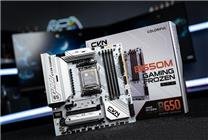
The dramatic rise in DDR5 prices has led to a sharp decline in new DIY projects, prompting manufacturers to turn their focus back to the B650 chipset. The B650, launched in late 2022, has emerged as the most affordable AM5 platform compatible with Ryzen 7000 and Ryzen 8000 processors, making it an attractive option for budget-conscious consumers.
By ramping up B650 production, AMD effectively addresses the immediate needs of consumers struggling with increased memory costs. This strategic pivot is designed to ensure that buyers can still access competitive AM5 configurations without breaking the bank.
Market Implications
As motherboard manufacturers shift their production strategies, the implications for the market are vast. The revival of the B650 chipset not only offers an alternative to those deterred by escalating DDR5 prices but also enhances competition among manufacturers striving to meet consumer demand.
With a diverse selection of motherboards available, buyers can make informed decisions based on performance, price, and compatibility with their desired systems. This newfound focus on cost-effective solutions may stimulate growth in the DIY market, as both enthusiasts and casual builders alike seek to devise affordable yet powerful PC configurations.
Conclusion
AMD’s decision to continue B650 production resonates well in a market tempered by economic pressures and rising material costs. By maintaining a robust presence in the budget segment with the B650 chipset, AMD positions itself as a leader in meeting the complexities of today’s consumer demands.
As the tech world continues to evolve, AMD’s proactive approach will likely shape consumer preferences, potentially altering the trajectory of the motherboard market. This move underscores the importance of adaptability within the tech industry and the necessity for companies to align their strategies with real-time market changes.