
Surge in Memory Prices: Trends and Implications
Key Takeaways:
- Memory prices have experienced unprecedented increases, with Q1 2026 seeing a staggering rise of 80% to 90% compared to the previous quarter.
- The costs of both DRAM and NAND flash memory are expected to slightly stabilize in Q2, yet remain significantly higher than earlier projections.
- Manufacturers are adapting by shifting focus from low-end to high-end models and implementing cost-effective storage solutions.
The memory market is in turmoil, with prices skyrocketing at an alarming rate. According to industry reports, memory prices continue to escalate, reflecting a staggering increase of nearly 90% in Q1 2026 compared to the previous quarter—a scenario that remains unabated six months following an initial surge.
Data compiled by a leading market research firm highlights this trend, noting that memory prices have set new records, soaring by 80% to 90% on a month-to-month basis within the current quarter. This surge affects both DRAM memory and NAND flash memory, with the latter experiencing an increase that, while significant, has not quite matched the explosive growth of DRAM.
As we look ahead, it is anticipated that the intense rate of price growth will ease in Q2 2026. Analysts project that increases for memory and flash memory will taper off to a more manageable 15% to 20%. However, it is crucial to recognize that this projection pertains to quarter-over-quarter comparisons, meaning that the overall memory prices will still be robust.
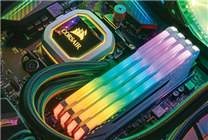
For instance, using server-grade RDIMM specification memory as a benchmark, the price for a 64GB unit soared from approximately $450 to over $900—a figure expected to exceed $1,000 (or 7,000 yuan) as the second quarter progresses.
Economic Implications of Increased Prices
While increased prices can benefit manufacturers in the short term, they also pose significant challenges for consumers and end manufacturers. Heightened costs compel manufacturers to reevaluate production strategies, often leading to reductions in production quantity and an overall decline in consumption. This creates a cyclical effect wherein decreased demand may further impact prices.
In response to the shifting economic landscape, manufacturers are more frequently pivoting their strategies. This includes a notable reduction in low-end models while increasing the focus on high-end offerings. Additionally, there is a trend toward decreasing the memory and flash memory capacity in products or transitioning from Triple-Level Cell (TLC) to cheaper Quad-Level Cell (QLC) flash memory. These adaptations aim to balance production costs while still meeting market demands.
Future Market Trends
The memory market is at a pivotal juncture, and the coming months will be critical in determining its trajectory. Key factors include:
- Market Demand: As prices remain unpredictable, consumer demand is likely to fluctuate. Manufacturers will need to closely monitor these changes and adjust accordingly.
- Technological Advancements: Innovations in memory technology may influence both production costs and consumer preferences, potentially reshaping the market landscape.
- Competitive Strategies: Maintaining a competitive edge will require manufacturers to explore alternative materials, innovative design strategies, and cost-effective features.
In summary, the memory market is characterized by dramatic price increases and rapid shifts in manufacturer strategies. While the current surge provides short-term financial benefits, long-term sustainability will depend on the market’s ability to stabilize and adapt to consumer needs. Manufacturers and consumers alike must navigate the ongoing challenges that accompany high memory prices, making strategic decisions that will ultimately shape the industry’s future.
As the memory sector progresses through 2026, stakeholders must remain vigilant and agile, ready to respond to both opportunities and threats in this dynamic environment.