
Memory Prices Surge: A 2026 Overview
Summary:
- Memory prices have skyrocketed in 2026, particularly for DDR5 modules.
- Consumers are facing significant price hikes, with some categories increasing up to 440%.
- DDR4 and DDR3 memory modules are also experiencing rapid price growth.
As we progress through 2026, the trend of increasing memory prices shows no signs of abating. A recent update from the German retail channel memory price index indicates that whether it’s DDR5, DDR4, or DDR3, prices continue to climb steeply.
DDR5 Memory Prices Reach Soaring Heights
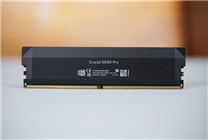
Among the different memory types, desktop DDR5 has been hit the hardest. The average pricing for 20 leading DDR5 models has escalated dramatically, with consumers now paying approximately 340% more compared to July 2025. This translates to prices that are 4.4 times higher than they were just a year ago.
For instance, a 2x32GB DDR5-5600 memory set, which was priced at 530 euros in December, surged to 677 euros in January, marking an increase of 147 euros. Notably, this January price is already higher than the entire cost of the memory set in July 2025, which was around 140 euros.
Moreover, the 2x16GB DDR6-6000 modules have witnessed the most dramatic rise, moving from 75 euros last July to 395 euros currently—an astounding 427% increase.
DDR4 and DDR3 Memory on the Rise
While DDR4 and DDR3 memory prices remain comparatively lower than those of DDR5, their monthly growth rates have been even more pronounced. From December to January, these memory types saw an acceleration in price growth, reaching an increase of 46.3%.
For example, the price of an 8GB DDR3-1600 memory module jumped from 12 euros to 21 euros—reflecting a 75% increase. The 2x8GB DDR3-1600 kit experienced a rise from 25 euros to 51 euros, a 104% increase.
The increases for DDR4 modules are even steeper. The 16GB DDR4-2133/2400 memory saw its price surge from 25 euros to 87 euros, a staggering 248% rise. Similarly, the 8GB DDR4-2133/2400 memory increased from 15 euros to 60 euros, which translates to a 300% increase.
Broader Market Trends
In addition to the significant price increases in memory, storage devices are also experiencing substantial cost hikes. This upward trend in prices across various memory types signals ongoing market pressures that are unlikely to ease in the near future.
As a result, consumers looking to upgrade or build new systems may need to reevaluate their budgets in light of these escalating costs. The memory market is currently marked by a volatile environment, making it essential for buyers to stay informed about pricing trends.
Conclusion
Navigating the current memory market landscape requires careful consideration, as prices continue to soar dramatically. With DDR5, DDR4, and DDR3 all impacted, prospective buyers should weigh their options and plan expenditures accordingly.
As we advance throughout 2026, it appears that the trend of increasing costs for memory products will persist, reiterating the importance of making informed purchasing decisions in this challenging market.