
Memory Price Surge: What It Means for PC Costs and Gamers
Key Takeaways:
- Memory Costs Skyrocket: Prices of memory components like DDR5 have surged significantly, affecting overall PC costs.
- Rising Component Shares: Memory is projected to account for about 40% of PC costs, outpacing traditional components like CPUs and graphics cards.
- Market Challenges Ahead: The supply shortage is expected to last until 2028, making it a tough climate for PC manufacturers and gamers alike.
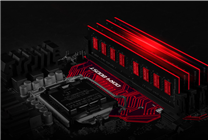
The PC hardware market is facing a significant shift as memory prices have been on the rise for nearly six months. For instance, the cost of 64GB DDR5 memory has escalated dramatically—from approximately 800 yuan to between 5,000 and 6,000 yuan. Similarly, standard 32GB memory configurations now typically retail at around 2,000 yuan.
As various components like SSDs, mechanical hard drives, graphics cards, CPUs, and power supplies experience price hikes, the overall landscape for building a gaming PC has changed. Once, a quality setup could be assembled for 5,000 yuan; today, that cost has surged to at least 8,000 yuan, with projections indicating that prices could escalate to 10,000 yuan during peak shopping events such as the 618 sales period.
The increasing cost of memory is not just a minor concern; it is becoming a major factor in overall PC expenses. Notably, Chen Ruicong, Chairman of Compal, a leading notebook OEM, highlighted that memory used to account for 15-18% of total PC material costs. Now, this figure may soar to as high as 40%. Such a statistic signifies that memory could soon become the most critical element in determining a PC’s price, overtaking traditional benchmarks like CPUs and graphics cards, barring high-end enthusiast setups.
Supply Constraints and Future Outlook
The rising prices are indicative of a broader market issue that transcends typical cyclical conditions. According to Compal, current pressures affecting memory prices cannot be explained away by traditional economics. Major manufacturers are prioritizing the production of High Bandwidth Memory (HBM) critical for AI applications. Consequently, the latest server platforms are requiring much higher memory capacities compared to their predecessors.
Compal estimates this supply deficiency could persist until 2027 or even 2028. This insight suggests that the current wave of price increases may last between two and three and a half years, indicating a prolonged period of elevated costs in the memory market.
For PC manufacturers, these developments pose significant challenges. Although there has been a recent uptick in PC sales, much of this increase is driven by consumers rushing to buy products before prices escalate further. However, this trend is unlikely to sustain itself; Compal forecasts a drop in notebook shipments of 9-10% this year.
The Road Ahead for Gamers
For PC gamers, the next two to three years promise to be challenging. While those with immediate hardware needs have no choice but to adapt to the current pricing landscape, many players may opt to retain their existing systems and delay purchasing new components. In fact, there’s no pressing need to upgrade if current machines are still functional, allowing gamers to ride out this turbulent phase.
In conclusion, as memory prices continue to rise dramatically, it will have far-reaching implications for both manufacturers and consumers. Gamers should remain aware of the changing dynamics within the hardware market and plan their purchases accordingly. The current landscape calls for strategic decision-making as the next few years could define the future of PC gaming.