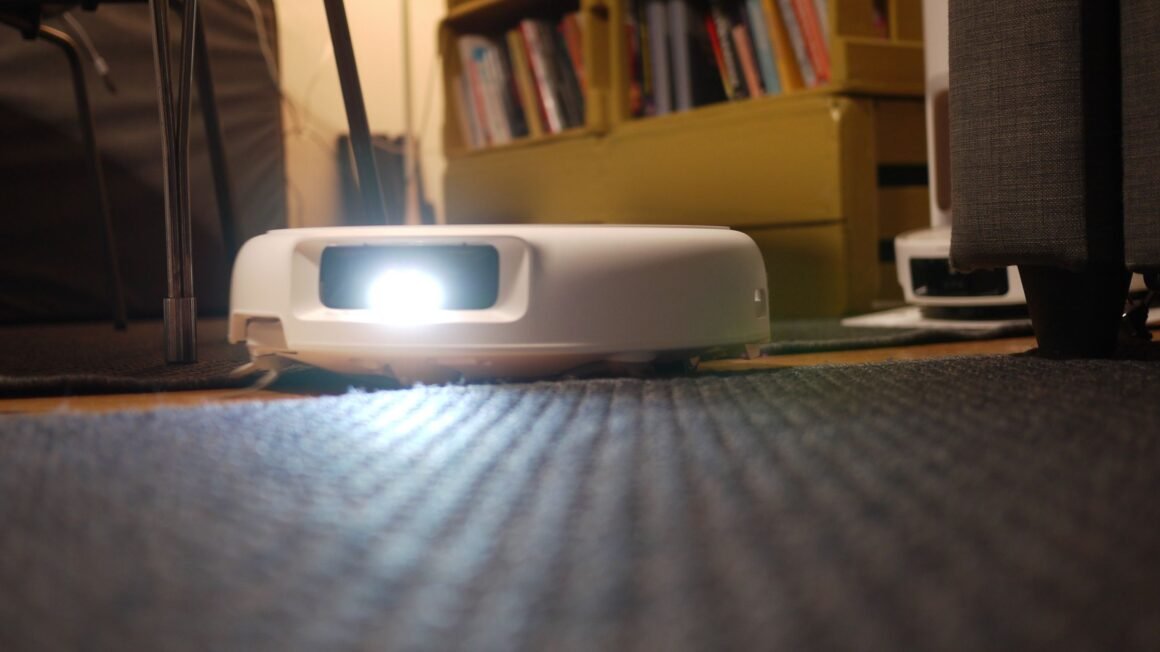

The recent discovery that a user unintentionally accessed thousands of DJI Romo vacuums raises significant privacy concerns. This incident exposed sensitive data, such as floor plans and live video feeds, stored on an unprotected server while communication encryption remained intact. The oversight allows anyone with access to view private information, highlighting potential vulnerabilities in smart home technology.
For consumers already invested in smart devices like robotic vacuums, this revelation is crucial. It underscores the importance of evaluating the security measures implemented by manufacturers. In this case, while the DJI Romo is not uniquely affected, it does serve as a stark reminder of the risks associated with conveniences provided by smart home products. Buyers need to be aware that similar issues could exist in other devices, making this information relevant to anyone considering a new robot vacuum.
In a crowded market, the DJI Romo stands out among robotic vacuums, but there are important alternatives at various price points. For instance, the iRobot Roomba series offers robust cleaning capabilities but can come with a higher price tag, starting around $299. Meanwhile, budget options like the Eufy RoboVac begin at roughly $199, but may lack advanced features like app integration or mapping capabilities. All these products present different balances of functionality and security, and potential buyers should factor in these aspects when making a choice.
A potential buyer should consider their level of comfort with technology and data privacy. If advanced features and smart connectivity are priorities, the DJI Romo could still be a viable option despite its vulnerabilities. However, those who are more cautious about data exposure might prefer simpler models that operate effectively without cloud connectivity. This approach might provide peace of mind, especially given the risks highlighted by recent events surrounding IoT devices.
Source:
www.techradar.com