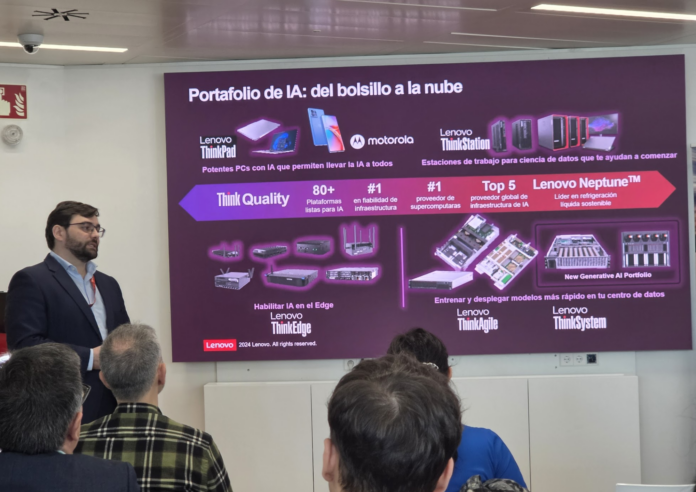

Lenovo recently introduced a range of professional devices at its Think Update event, emphasizing its strategy for the evolving workplace. Key products include new ThinkPad laptops, ThinkCentre desktops, and advanced monitors, all designed to enhance productivity in hybrid work environments. Notable mentions are the ThinkPad X1 Carbon Gen 13, known for its sleek mobility and performance, and the ThinkPad X1 Fold, featuring a foldable display. These innovations reflect Lenovo’s commitment to integrating artificial intelligence and improving device reparability in its offerings.
This launch is particularly relevant for businesses and professionals looking to optimize their work setups. With the trend toward hybrid work becoming increasingly popular, having versatile and intelligent devices can significantly streamline daily tasks. The incorporation of AI features like Qira aims to enhance user experience by automating routine activities and providing a cohesive ecosystem across devices. This enhancement could influence purchasing decisions for companies investing in new technology to support remote and in-office collaboration.
In terms of market context, Lenovo’s new offerings are positioned competitively. The ThinkPad X1 Carbon Gen 13 offers premium performance likely starting around $1,700, while the ThinkPad X1 Fold, given its unique format, could be priced higher. Alternative devices include the Dell XPS 13, recognized for its powerful performance and sleek design, often starting at around $1,200, providing a more affordable option for professionals. For users seeking cost-effective solutions, ASUS’s ZenBook series also provides strong performance at a lower price point, generally starting around $900.
Ultimately, these new Lenovo devices are suited for professionals who prioritize flexibility and advanced features in their work devices. The focus on AI and reparability makes them compelling for those investing in the future of work. However, for users who require simpler devices for basic tasks or who operate on a tighter budget, exploring alternatives like mid-range Dell or ASUS laptops might be wiser to meet their needs without the additional features and costs associated with high-end options.
Source:
www.giztab.com