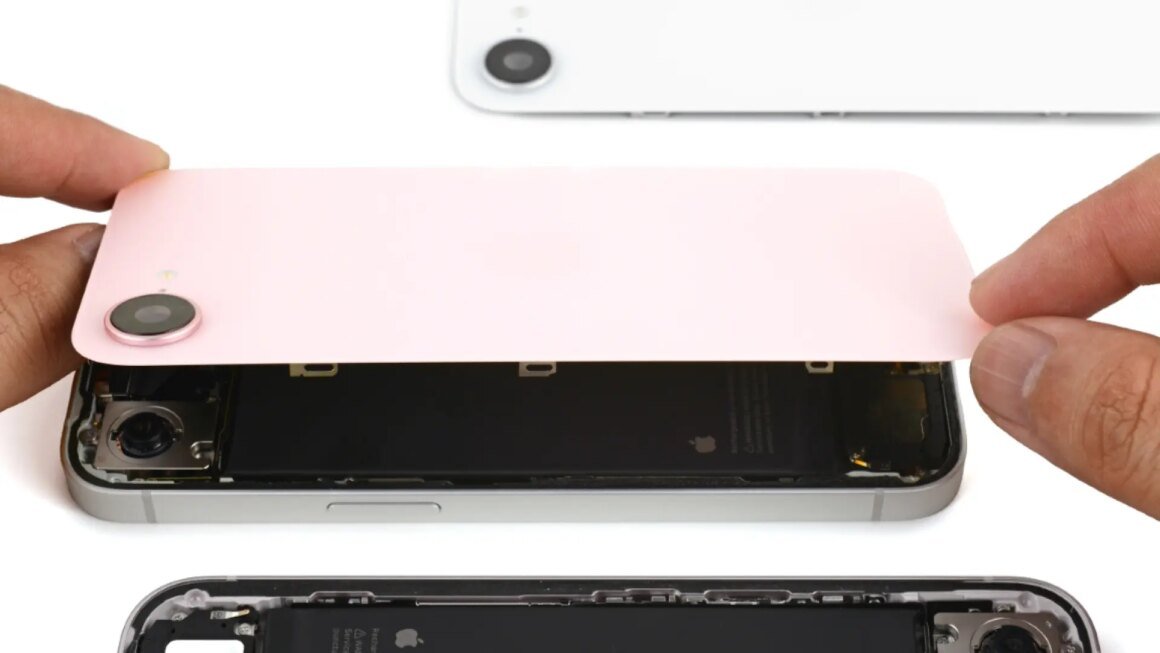

Recent disassembly analyses reveal that the iPhone 16e and iPhone 17e share nearly identical internal designs, with the primary distinction being the inclusion of MagSafe technology in the latter. This means that for current iPhone 16e owners seeking to upgrade to MagSafe capabilities, it’s possible to retrofit components from the newer model.
This information is especially relevant for users contemplating a purchase or upgrade within the smartphone category. The compatibility between the two models indicates that if you currently own the iPhone 16e, you won’t necessarily need to invest in an entirely new phone to enjoy MagSafe charging—an attractive option for those looking to extend the lifespan of their device while enhancing its functionality.
In terms of pricing and market positioning, both the iPhone 16e and 17e sit within the mid-range segment of smartphones. The iPhone 17e may be priced slightly higher due to its newer technology, though exact figures are yet to be announced. In comparison, other alternatives like the Google Pixel 7 or Samsung Galaxy A54 offer similar features at competitive prices, making them viable options for budget-conscious consumers or those who prefer to explore brands outside Apple. Each alternative comes with its own set of advantages—like enhanced camera capabilities or customizable operating systems—that may appeal to different user preferences.
When considering whether to purchase the iPhone 17e, prospective buyers should weigh their options carefully. If you prioritize the latest tech and design while already using an iPhone 16e, you might find value in upgrading. However, if you are content with your current device or are looking for diverse features (such as exceptional camera performance or a different user interface), you may want to explore alternatives. Additionally, those who do not intend to utilize MagSafe might find that investing in the iPhone 17e doesn’t offer enough of a benefit over the iPhone 16e to justify the cost.
Source:
computerhoy.20minutos.es