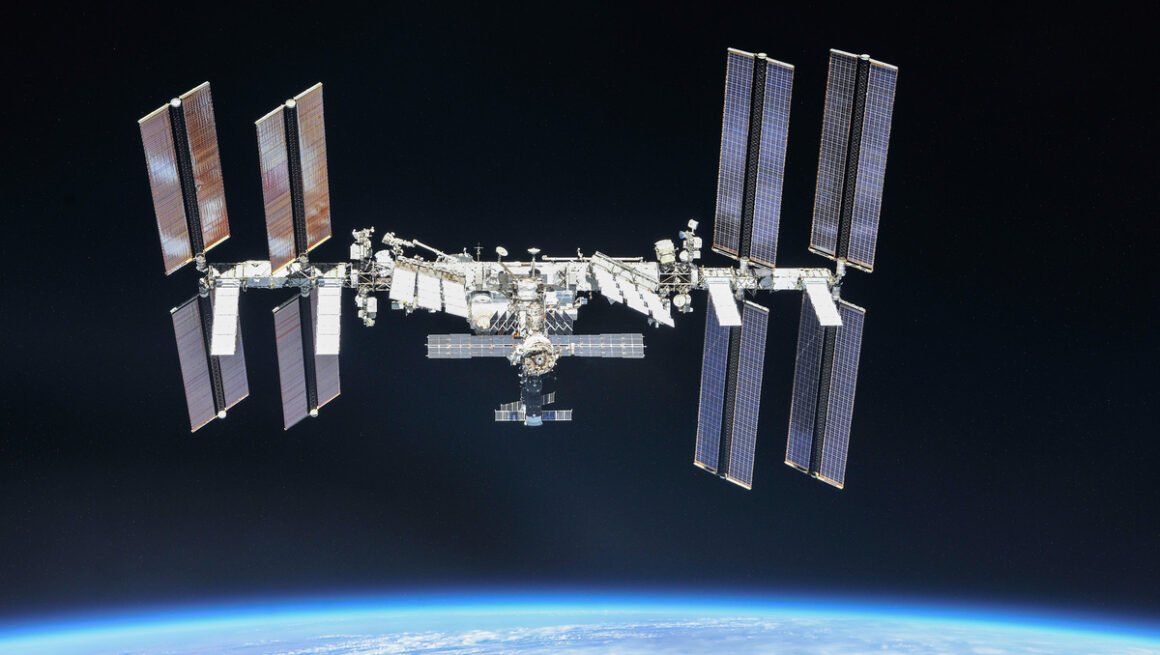

The U.S. Senate recently voted to extend the operational life of the International Space Station (ISS) until September 30, 2032, moving the previous deadline from December 31, 2030. This decision was made primarily due to delays in the development of commercial space stations, which are intended to take over the functions currently fulfilled by the ISS.
This development is significant for anyone interested in the future of space exploration and utilization. While the ISS is not a consumer tech product, its continued operation impacts various industries, including scientific research and international competition in space. For those who follow advancements in technology and space exploration, this time extension suggests that commercial alternatives are not yet ready to support ongoing research, making the future landscape of space dealings worth monitoring.
Currently, several companies, such as Axiom Space and Blue Origin, are in the pipeline to develop private space stations. However, these projects have been hindered by delays, particularly in securing necessary funding and regulatory approvals. Without a solid alternative to the ISS, the commercial space sector faces a challenging timeline. If you’re interested in the intersection of technology and space, this ongoing scenario can provide insights into potential investment opportunities or career pathways within the expanding space economy.
In assessing the situation, it’s crucial to recognize that the ISS’s continued operation might appeal to organizations focused on long-term research projects. However, for those looking to invest or be involved in upcoming private ventures, it might be prudent to consider alternatives. Companies such as SpaceX and Virgin Galactic are taking strides in other areas of space exploration, but they cater to different segments compared to the ISS. Therefore, if your focus is on immediate advancements and returns in commercial space travel, it may make more sense to look at these emerging companies while keeping an eye on the evolving ISS situation.
Source:
www.lesnumeriques.com