



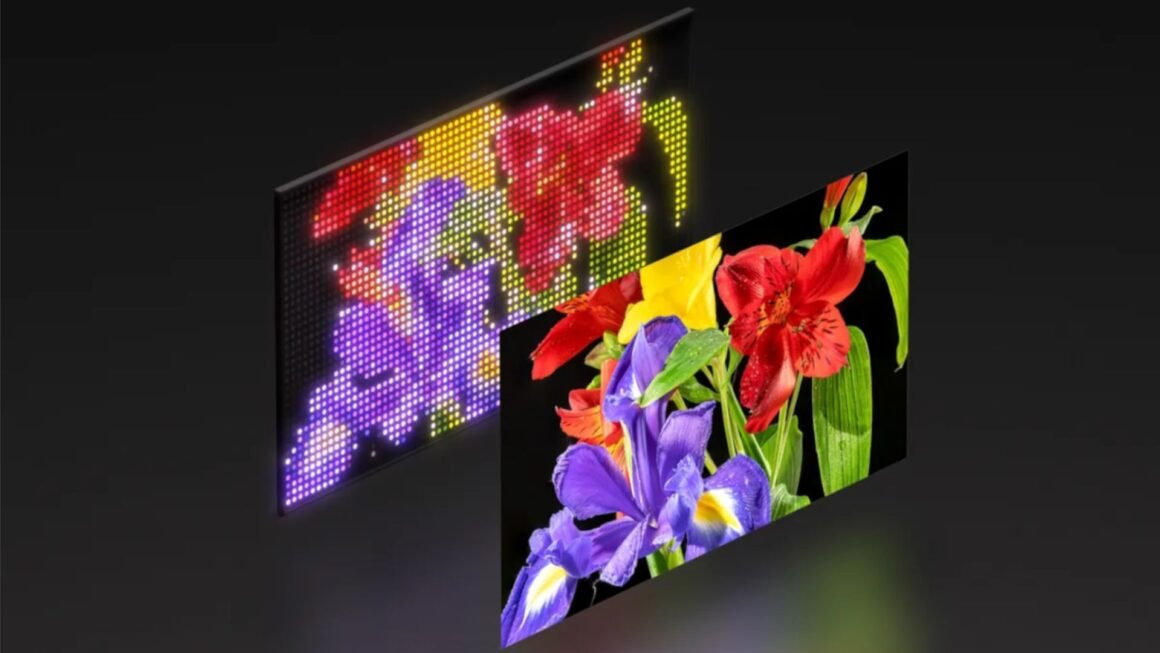

As of 2026, the TV market is witnessing the introduction of RGB LED technology, which utilizes an array of red, green, and blue LEDs in dimmable zones. This approach promises to deliver brighter and purer colors compared to current Mini-LED technology. Samsung and Hisense are among the first brands to roll out new RGB LED TVs in sizes like 55 and 65 inches, marking a significant shift from their previous Mini-LED models.
This development is particularly relevant for consumers looking to upgrade their home entertainment systems. RGB LED TVs are expected to offer enhanced visual quality that could make them more desirable compared to existing options. For buyers considering a new TV, understanding this shift could impact decisions significantly, especially if budget constraints push them to consider older Mini-LED options that may soon become less common.
In terms of market positioning, RGB LED TVs are likely to be priced similarly to mid- to high-range Mini-LED TVs. While brands like Samsung and Hisense have embraced RGB LED technology for new launches, query whether you can still find Mini-LED options such as Hisense’s U7 Series or Samsung’s QN80 line for potentially lower prices. Each option has its merits: Mini-LED might still provide better value for users not focused on cutting-edge visual tech, making it worth comparing against the new RGB offerings unless one desires the latest features.
Ultimately, RGB LED TVs may appeal to tech enthusiasts or those seeking the latest home entertainment advancements. However, budget-conscious shoppers or those satisfied with existing Mini-LED performance could find that sticking with current models may serve their needs effectively. It’s wise to weigh the characteristics of these new TVs against established alternatives—especially if RGB LED TVs aren’t widely available or if previous models already meet user expectations.
Source:
www.tomsguide.com