
NASA’s Historic Mission: Astronauts Set to Use Apple Smartphones in Space
Summary:
- NASA astronauts will carry Apple smartphones on upcoming missions, including Artemis 2, to document their journeys.
- This innovative decision marks a shift in allowing modern consumer electronics to be utilized during space travel.
- The Crew-12 mission is set for February 11 and will test advanced technology in a historic lunar mission.
NASA astronauts are preparing for an extraordinary journey into the depths of space, with the advent of new technology allowing them to take Apple smartphones on their missions. This initiative opens up fresh avenues for the integration of consumer electronics in a celestial environment, enhancing the astronauts’ ability to document their experiences.
NASA Administrator Jared Isaacman announced that astronauts on missions, starting with Crew-12 to the International Space Station (ISS) and extending to the historic Artemis 2 lunar mission, will now carry the latest smartphones. This initiative not only serves as a tool for capturing and sharing memorable moments with loved ones back home, but also signifies a monumental shift in operational protocols for space missions.
Isaacman explained that allowing astronauts to carry mobile phones challenges traditional workflows, facilitating the swift certification of modern hardware for space travel. The change reflects an adaptive approach that prioritizes the needs of astronauts, giving them the freedom to document their adventures in real-time.
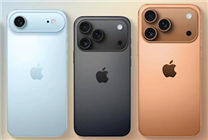
NASA has confirmed that the mobile devices being distributed for these missions are iPhones, with possibilities for additional devices to earn certifications in the future.

The Crew-12 mission is scheduled to launch on February 11, sending four astronauts aboard a SpaceX Dragon spacecraft equipped with iPhones to the ISS for a six-month mission. As NASA’s first manned lunar mission in nearly 50 years, Artemis 2 has faced delays, pushing the schedule to at least March due to fuel leak issues. During this mission, four astronauts will orbit the Moon for ten days, testing the critical hardware and systems required for future lunar landings. Notably, they will venture further into space than ever before, surpassing the Apollo 13 record of 400,171 kilometers set in 1970.
Integrating consumer electronics into spaceflight is no simple task. The harsh environment of space necessitates a stringent testing and approval process to ensure that devices perform reliably. Prior to the approval of the latest iPhone, astronauts had relied on a Nikon D5 SLR camera from 2016 and a handheld GoPro, primarily reserved for documentary work with Disney and National Geographic.

While it is the first occasion that NASA has sanctioned mobile phones for space missions, it is not the first time mobile hardware has graced the cosmos. In July 2011, during the final mission of the Space Shuttle Atlantis, the crew utilized two iPhone 4s to conduct various hardware tests, including camera functions and gyroscope capabilities. The trend of private space passengers bringing their mobile phones into orbit has become increasingly common.
For astronauts, capturing fleeting moments with a mobile phone offers significant advantages over traditional, bulky cameras. It allows for spontaneous recording of their experiences, potentially enriching the narrative of space exploration from unique perspectives. One notable example is Bill Anders from the Apollo 8 crew, who captured the iconic image of Earth rising over the lunar horizon—an image that forever changed humanity’s view of our planet.
As NASA embraces these advancements, the future exploration of space continues to blend tradition with modern technology. The inclusion of smartphones not only enhances the astronauts’ experience but also offers the world an unprecedented glimpse into the wonders of space.
This exciting development promises to illuminate astronauts’ experiences in ways previously unimagined, paving the way for a new era in space exploration. With each mission, we take another step closer to expanding our understanding of the universe, while reconnecting with the human experience at the forefront of these incredible journeys.