
Intel’s Higher-End Graphics Card Approaches: BMG-G31 Officially Supported
Summary:
- Intel’s XPU Manager 1.3.5 adds official support for the BMG-G31 higher-end GPU.
- Specifications suggest 32 Xe2 cores and 16GB GDDR6 video memory, targeting 1440p gaming.
- Competitive challenges ahead include driver support and pricing strategy.
On December 18, 2023, significant news emerged regarding Intel’s advancements in the graphics card market. Following the recent launches of the Intel Ruixuan B580 and B570, anticipation has been building for the higher-end B7 variant of the second-generation Battlemage independent graphics card, which had been previously absent from discussions. Recent developments, however, indicate that progress is indeed underway.
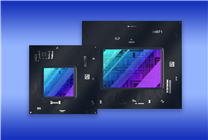
The Intel XPU Manager version 1.3.5 has been updated to include official support for the "BMG-G31" GPU. This inclusion strengthens the evidence for the existence of this new graphics chip, as device IDs are typically reserved for hardware that is confirmed to exist.
Specifications and Performance Expectations
The BMG-G31 diverges notably from the G21 small core utilized in the B580 model. Designed specifically for the mid-to-high-end market, the BMG-G31 is classified as a "big" core. Early reports suggest that it will be equipped with 32 Xe2 cores and at least 16GB of GDDR6 video memory. With a 256-bit memory interface, the desktop version of this graphics card is expected to have power consumption that may peak at 300W.
If these specifications are validated, the newly anticipated Ruixuan B770 will focus on delivering a compelling experience for 1440p high-definition gaming. It is speculated that the BMG-G31 will provide consumers with a robust alternative, rivaling similar offerings from industry leaders like NVIDIA and AMD.
Competitive Landscape and Challenges Ahead
While the hardware specifications are promising, Intel faces significant hurdles as it advances into this competitive segment. The most pressing issue is driver support, which has historically been a challenge for Intel’s graphics products. Robust and reliable drivers are critical to ensure optimal performance and compatibility with current gaming and productivity applications.
Furthermore, the economics of producing high-end graphics cards present additional obstacles. The introduction of a big core likely means lower wafer yields, a factor that could inflate costs. Additionally, the recent surge in DRAM prices is an important consideration. Developing a pricing strategy that maintains competitiveness without sacrificing profitability will be crucial for Intel’s success in this market.
Conclusion: A New Era for Intel Graphics
As Intel prepares to launch the BMG-G31, the graphics card landscape is set for a shakeup. The combination of competitive specifications and potential performance makes the BMG-G31 a highly anticipated product. However, whether Intel can overcome the challenges of driver support and pricing will be decisive in determining its position in the high-end graphics card arena.
With official acknowledgment of the BMG-G31 and consumer anticipation building, Intel is poised to make a noteworthy impact on the graphics processing market in 2024 and beyond. Enthusiasts and gamers alike will be eager to see how this ambitious endeavor unfolds.