
Intel Panther Lake: A Game Changer in Battery Life
Key Takeaways
- Battery Efficiency: Intel’s new Panther Lake chips showcase significant improvements in energy efficiency, rivaling Apple’s M5 chip.
- Competitive Testing: In rigorous tests, the ASUS ExpertBook Ultra’s battery life closely matches that of the M5 MacBook Pro, marking a historic achievement for Intel.
- Technological Leap: With advancements in processor technology, Intel is making strides in addressing its longstanding power consumption issues.
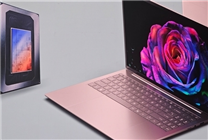
Intel has made headlines with the introduction of its Panther Lake chips, marking a pivotal moment in the realm of notebook battery performance. Traditionally dominated by Apple’s M series, battery efficiency is now being contested with compelling advancements from Intel.
Recent testing has revealed that laptops equipped with the Panther Lake architecture, such as the ASUS 14-inch ExpertBook Ultra, exhibit remarkable battery performance. In a side-by-side evaluation under heavy loads, the battery life registered at nearly par with the renowned MacBook Pro featuring the Apple M5 chip.
Significant Testing Outcomes
In rigorous assessments, both the ASUS ExpertBook Ultra and the M5 MacBook Pro were pushed to their limits. Set to the highest screen brightness, they endured a demanding 2.5-hour test. The results were telling: the M5 maintained 40% battery life, while the ASUS laptop secured an impressive 38%. This demonstrates that Intel is not merely catching up but is poised to significantly enhance its standing in the energy efficiency arena.
While Apple holds a slight edge, achieving parity with such a leading platform represents a monumental leap for Intel, especially given the challenges associated with the x86 architecture, which has historically struggled with power consumption. This newfound ability to compete head-to-head with Apple’s best demonstrates a critical step forward for Intel’s engineering teams.
Technological Advancements
Panther Lake leverages a cutting-edge manufacturing process, which enables drastic energy efficiency improvements compared to its predecessors. Although the absolute performance may not yet exceed that of the M5, the comparable battery life signifies a substantial shift for Intel, addressing one of its most pressing challenges: excessive power consumption.
This evolution in processor design reflects a broader trend in the tech industry, where consumers increasingly prioritize energy efficiency alongside performance. As laptops become central to work and leisure, manufacturers must innovate to meet these demands.
Conclusion
Intel’s Panther Lake chips showcase a promising direction for the company, bridging the gap in battery life performance traditionally dominated by Apple’s M series. With Apple’s inherent advantages in the synergy between hardware and software, Intel’s strides in energy efficiency signal an exciting shift that could reshape the competitive landscape.
The advancements seen in the Panther Lake chips could pave the way for into better energy solutions in future processors. As the demand for efficient and powerful computing solutions continues to grow, Intel’s ability to keep up with competitors like Apple may very well dictate the future of laptop technology.
In this evolving market, consumers can look forward to not only improved performance but also a commitment to sustainability through innovative energy-efficient designs. The competition between these tech giants is set to intensify, promising an exciting era for users seeking both power and efficiency.