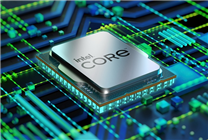

Intel is reportedly moving toward a unified core architecture for its future CPUs, abandoning the current mix of Performance (P) and Efficiency (E) cores introduced with its 12th generation Alder Lake processors. This shift comes in light of Intel’s recent job postings seeking highly skilled CPU validation engineers for its Unified Core team, hinting at significant changes in CPU design that could reshape how consumers and businesses use processors.
This evolution is essential for consumers looking at high-performance computing options right now. The transition to a unified architecture means that future Intel CPUs may offer more streamlined performance without the complexities that arise from having different types of cores. For those deciding on current purchases, this could signal that investing in models with P and E cores may soon be outdated, making it wise to consider the longevity and upcoming iterations of Intel’s product lineup.
As of now, Intel’s current CPUs, especially the Alder Lake series with their mixed core designs, are competitive in the market. Prices for these processors typically range from around $200 to $600, depending on specifications. Alternatives such as AMD’s Ryzen series, which offers robust multi-core performance without the mixed architecture, are also available, with prices that can start lower or higher based on specific requirements. For instance, an AMD Ryzen 5 processor typically costs around $200, while the higher-end Ryzen 9 can reach beyond $700. Each brand has strengths, and potential buyers should weigh these based on their specific needs—whether for gaming, content creation, or general use.
Ultimately, consumers should consider whether they need the latest technology or if they can opt for currently available models. If you’re primarily focused on cost-effective performance and don’t necessarily require the very latest architecture, alternatives like the AMD Ryzen series could offer similar capabilities at a lower price point. Additionally, buyers who are not eager to navigate the complexities of mixed-core designs should look closely at all-E core or all-P core solutions from both Intel and AMD, as they may suit your needs better than the more recent hybrid offerings.
Source:
news.mydrivers.com