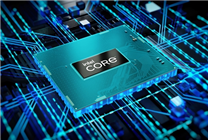

Intel’s new ultra-low-power processor, Wildcat Lake, has surfaced with promising specifications aimed at entry-level computing. This series, designed to succeed the Alder Lake-N and Twin Lake lines, features a hybrid architecture that includes two high-performance cores alongside four energy-efficient cores. The chip operates with a maximum frequency of 1.5GHz and has a thermal design power (TDP) limit of 15W, slightly higher than its predecessors.
This matters to consumers interested in lightweight laptops and compact desktops. As the demand for efficient computing solutions grows, particularly in the realm of portable devices, Wildcat Lake positions itself as an appealing option for budget-conscious buyers seeking solid performance without excessive power consumption. While the chip is anticipated to launch in the first half of the year, its global availability could impact upcoming purchases in this segment, especially for individuals considering a new device for mobile productivity or casual usage.
In terms of market context, the Wildcat Lake processor is set to compete with various alternatives in the entry-level range. For instance, AMD’s Ryzen 5000 series mobile processors offer comparable specifications while also appealing to users looking for better integrated graphics. Additionally, Intel’s own existing lines, such as the Intel Celeron and Pentium series, might serve as lower-cost options for those with minimal processing needs. However, for those focused on AI capabilities, Wildcat Lake’s integrated NPU (Neural Processing Unit) provides a compelling edge with up to 40 TOPS of AI performance, which is noteworthy in this price segment.
Potential buyers should consider their specific use cases when evaluating the Wildcat Lake processor. This chip will likely suit individuals looking for cost-effective solutions for everyday tasks such as browsing, streaming, and light productivity. Conversely, for users needing higher performance tasks, such as gaming or intensive computational work, exploring mid-range options or higher-spec alternatives may be warranted. Those who prioritize graphics performance might also find better value in dedicated GPU solutions instead of relying on integrated graphics.
Source:
news.mydrivers.com