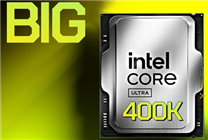

Intel is set to release its upcoming Nova Lake desktop processors, anticipated to debut by the end of this year, featuring a significant shift in technology. Unlike their predecessor Panther Lake, which is focused on mobile devices, Nova Lake will introduce a large cache known as bLLC, similar to AMD’s X3D architecture. The bLLC, reportedly measuring around 144MB, will be integrated directly into the silicon, contributing to a larger die size that could impact production costs.
This development is particularly relevant for those considering a new desktop CPU, especially enthusiasts and professionals who require robust performance and efficiency. Although the exact pricing hasn’t yet been disclosed, the implementation of advanced manufacturing processes could suggest higher costs. The prospect of using TSMC’s 2nm process adds another layer of intrigue, especially as it may reflect a broader trend among top-tier semiconductor manufacturers competing for cutting-edge technology.
In terms of market positioning, the Intel Nova Lake is expected to be more expensive than its AMD counterparts, due to its larger die size and technology advancements, such as the integrated bLLC cache. The AMD Ryzen 7000 series, for instance, with its Zen4 architecture, offers competitive performance at more manageable sizes and prices, making it an appealing alternative for users happy with slightly lower performance for a cheaper price. Comparing these options will help potential buyers match their needs with their budget and performance expectations.
For buyers considering the Nova Lake, it’s crucial to weigh the benefits against the potential higher costs. This processor may appeal specifically to those looking for the latest technology in high-performance computing. However, budget-conscious consumers or those who do not require cutting-edge performance may find the existing AMD offerings more suitable and cost-effective for their needs. Ultimately, considering personal requirements and budget limitations will guide the decision on whether to invest in Intel’s new technology or look elsewhere for more favorable options.
Source:
news.mydrivers.com