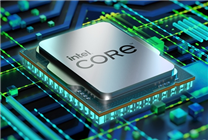

CPU Prices Surge: How AI Demand is Reshaping the Market Landscape
In a notable shift in the tech landscape, rising prices for CPUs are creating challenges for PC enthusiasts, as major companies adjust their production strategies in response to surging demand driven by AI developments.
Key Takeaways:
- Rising Prices: CPU prices are increasing due to heightened demand for data center products tied to AI.
- Intel’s Shift: Intel is reallocating production capacity towards high-demand data center products, sidelining consumer-grade CPUs.
- Market Dynamics: With the rise in prices for memory, SSDs, and graphics cards, the low-end market is disappearing, impacting budget-conscious consumers.
The AI Influence on CPU Pricing
Recent reports indicate a concerning trend where not only memory, SSDs, and graphics cards are seeing price hikes, but CPUs are experiencing a similar fate. Historically, CPU shipments have been on the decline; however, the emerging demand for artificial intelligence technologies is reversing this trend. This increased demand is affecting the availability of CPUs for the consumer market, which is a significant shift for PC players.
Intel’s Admission of Miscalculations
During an earnings call, Intel’s CFO, David Zinsner, openly acknowledged past misjudgments regarding demand for data center products. He emphasized that the current tight capacity in production is a direct consequence of this oversight. Just six months ago, the outlook for Intel’s hyperscale customers suggested a preference for smaller orders of high-core count processors. However, the demand landscape has shifted dramatically, leading to a stronger-than-expected need for Intel’s Xeon processors, particularly in the third and fourth quarters.
The demand for high-performance processors is not limited to Intel’s offerings. AI graphics solutions from NVIDIA (B200, B300) and AMD (MI300, MI400) are fueling the need for robust processing capabilities, further highlighting the competitive landscape in the data center domain.
Production Focus: High-End Over Consumer Markets
In light of these developments, Intel has revealed plans to prioritize production capacity for data center products. Unfortunately for PC gamers, this focus means that consumer-grade CPUs will move to a secondary position in production lines. Intel reassured stakeholders that while they are not abandoning client products entirely, their new strategy will emphasize mid- to high-end offerings rather than low-cost alternatives.
This prioritization is not unique to Intel. Other industry leaders such as Samsung, SK Hynix, and Micron have similarly reduced their production capabilities for low-end memory and are concentrating efforts on higher-margin products, further retreating from budget-oriented segments.
AMD’s Strategic Choices
AMD is also aligning its strategies away from the low-end market in pursuit of greater profitability. AMD’s current CPU gross profit margins have outpaced Intel’s, thanks in part to a deliberate strategy to avoid price wars and focus on sustainable growth. By stepping back from the low-end market, AMD is positioning itself to capture higher margins within the industry.
An Evolving Pricing Landscape
As prices for memory, SSDs, graphics cards, and CPUs continue to rise, the notion of a low-end market is rapidly fading. Configurations that once cost approximately 3,000 yuan are now priced nearer to 5,000 yuan. This situation poses significant challenges for budget-conscious consumers, especially in the face of potential surges in prices for both DDR4 and DDR3 platforms.
In conclusion, the current landscape is reshaping not only pricing but also production strategies within the technology sector. As demand for AI-driven data center products continues to influence the market, PC players may find themselves at a disadvantage. With both Intel and AMD focusing on higher-end products, it’s essential for consumers to adapt quickly to the changing dynamics in the CPU market.
This editorial reflects the evolving trends and market dynamics, emphasizing the implications for consumer choices and company strategies in the tech industry.