
Summary:
- Intel has launched mass production of its 18A process, a 2nm technology, potentially securing a competitive edge over TSMC.
- TSMC’s CEO asserts confidence in maintaining market share and emphasizes the importance of technological advancement over mere financial investment.
- The semiconductor industry faces increasing challenges in integrating advanced technologies, demanding time and strategic planning.
Intel’s 18A Process and TSMC’s Competitive Response
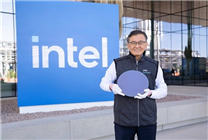
On January 15, the semiconductor landscape underwent a significant shift as Intel announced the mass production of its 18A process, a 2nm technology. This development places Intel ahead of TSMC, which had previously declared mass production of its own 2nm process at the end of December last year. With demands from major manufacturers like Apple, Intel’s entry into the advanced process market presents a crucial juncture for competition in the industry.
TSMC’s CEO, Wei Zhejia, addressed these emerging dynamics at a recent press conference. He conveyed that TSMC remains undeterred by Intel’s advancements, expressing confidence in the company’s long-standing position in the foundry market. According to Wei, "TSMC is not worried that Intel will affect TSMC’s share." This statement underscores TSMC’s commitment to maintaining its technological leadership, reputation for quality, and overall manufacturing prowess.
Challenges in Semiconductor Advancements
In the rapidly evolving semiconductor industry, integrating advanced processes and systems has grown increasingly complex. Wei emphasized that simply investing more capital will not suffice in bridging the gap in technology. The development cycle for advanced technologies typically encompasses a preparation period of 2-3 years before design can transition into product realization. After receiving certification or approval, an additional 1-2 years is often required for mass production, yield optimization, and scaling up production capacity.
TSMC’s CEO acknowledged that while the company faces strong competition, it takes these challenges seriously without allowing external factors to disrupt its strategic focus. TSMC has always encountered formidable competitors, but it continues to prioritize its commitment to technological innovation and customer trust. Wei stated, “We are committed to long-term advantages in a competitive environment by promoting business development in an established direction.”
The Future of Semiconductor Manufacturing
The competition between Intel and TSMC is indicative of the broader trends within the semiconductor sector, where technology and innovation are critical for survival. As both companies strive for dominance, the focus on developing next-generation processes will intensify. TSMC’s commitment to excellence and its proactive management of technological advancements may help ensure that it maintains its leading role in this competitive market.
In conclusion, the semiconductor industry is at a pivotal moment, with significant implications for manufacturers and consumers alike. Analytics suggest that the battle between TSMC and Intel will shape the future of technology, influencing everything from consumer electronics to advanced computing systems.
Conclusion
As Intel forges ahead with its 18A process, TSMC stands firm, emphasizing the importance of time, technology, and trust over financial competition. Both entities represent the pinnacle of technological development, setting the stage for a new era in semiconductor fabrication.