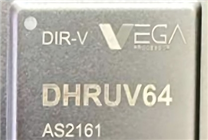

India Makes Significant Strides in Semiconductor Technology with Launch of DHRUV64 Microprocessor
Summary:
- India has officially launched its first fully domestically developed microprocessor, the DHRUV64.
- Designed by the Center for Development of Advanced Computing (C-DAC), this 64-bit processor employs a RISC-V architecture and operates at 1GHz.
- The DHRUV64 marks a pivotal step toward a self-sufficient semiconductor ecosystem in India, catering to a variety of applications.
On December 15, the Indian government announced a groundbreaking achievement in the semiconductor industry: the launch of the DHRUV64 microprocessor, a product of completely indigenous development. This milestone represents a significant advancement in India’s commitment to building a robust, self-sufficient semiconductor sector.
Technical Features of the DHRUV64 Microprocessor
The DHRUV64 microprocessor is the brainchild of the Center for Development of Advanced Computing (C-DAC) and is designed with several impressive specifications. It utilizes a 64-bit RISC-V open-source instruction set architecture and operates on a 28nm process technology. With a dual-core infrastructure enabling a maximum frequency of 1GHz, the DHRUV64 is engineered for versatility; it can be integrated into various devices, including mobile phones, computers, automotive electronics, medical equipment, national defense systems, and satellites.
This adaptability underscores the processor’s potential to meet the diverse needs of both individual consumers and industrial sectors, marking India as a notable player in the global technology arena.
Establishing a Self-Sufficient Semiconductor Ecosystem
The launch of DHRUV64 signifies more than just a technological advancement; it is a strategic move towards establishing a secure and self-reliant semiconductor ecosystem in India. By enhancing domestic capabilities for advanced processor development, India aims to reduce its long-standing dependence on imported microprocessors. Currently, the country accounts for approximately 20% of the global microprocessor consumption, highlighting the pressing need for local manufacturing.
The Indian government emphasized that the DHRUV64 microprocessor represents a leap forward in nurturing a sustainable technology landscape. With its development, India lays the groundwork for future advancements and innovation in semiconductor technology.
Future Prospects: Dhanush and Dhanush+
In tandem with the successful rollout of the DHRUV64, plans for the next generation of high-performance processors—Dhanush and Dhanush+—are already underway. These upcoming models are expected to push the boundaries even further, promising enhanced capabilities and performance. The focus on continuous improvement reflects the nation’s ambition to stay at the forefront of semiconductor technology.
Implications for the Global Semiconductor Market
The introduction of the DHRUV64 could have a profound impact on both local and international markets. As India strengthens its semiconductor capabilities, it could emerge as a vital player in the supply chain, potentially reshaping global dynamics. Enhanced local production can lead to cost efficiencies and innovation while ensuring national security in technology.
Furthermore, a self-reliant semiconductor ecosystem can foster economic growth by attracting investment, creating jobs, and nurturing local talent in research and development. This national initiative can inspire confidence among stakeholders in both the public and private sectors.
Conclusion
The launch of the DHRUV64 microprocessor is not just a milestone for India; it is a statement of intent that showcases the nation’s technological aspirations. With strategic efforts to develop a self-sufficient semiconductor ecosystem, India is setting a strong foundation for future innovations and positioning itself as a key player in the global semiconductor industry.
The DHRUV64 emblemizes a vital shift toward indigenization and technological independence, paving the way for a new era in India’s computation landscape. As the nation embarks on this ambitious journey, the global tech community watches with keen interest, anticipating further advancements from this emerging powerhouse in semiconductor technology.