
Rising Costs Challenge Smartphone Market in 2026
Summary:
- The smartphone industry is facing significant challenges in 2026 due to rising component costs, affecting pricing and availability.
- Major factors include increases in memory chip prices, mobile phone processors, and manufacturing processes.
- Apple appears to be more resilient compared to Android manufacturers, who are likely to see steeper declines in shipments.
As the smartphone market prepares for 2026, numerous challenges loom large for both DIY enthusiasts and mobile phone manufacturers. Recent trends indicate a troubling landscape characterized by rising costs and dwindling availability of crucial components, simplifying the outlook for consumers and manufacturers alike.
Component Costs on the Rise
The most pressing issue stems from escalating prices for vital components such as memory and storage. LPDDR memory and UFS flash memory—essential for smartphones—have experienced significant price hikes. This price structure points toward a stark increase in mobile device costs or, alternatively, a reduction in specifications as companies attempt to manage margin constraints.
In the face of the ongoing increases, analysts indicate a return to entry-level configurations that prioritize affordability. Higher-cost components like memory chips will inevitably affect the overall pricing strategy for mobile devices available in 2026.
SoC Processor Price Surge
Another critical challenge comes from the anticipated rise in mobile phone SoC (System on Chip) processor costs. With the shift towards advanced 2nm manufacturing processes, companies like Apple, Qualcomm, and MediaTek are expected to face elevated production costs.
For instance, TSMC’s 2nm process is rumored to demand around $30,000, a 50% increase over the previous 3nm technology. While some sources suggest this hike may not be as pronounced, it remains a substantial factor in the pricing of next-generation processors.
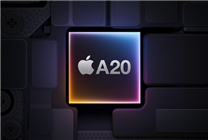
- Apple’s A20 chip is projected to cost around $280 for the iPhone 18 series.
- Qualcomm’s Snapdragon 8E6 is anticipated to follow closely behind; last year’s Snapdragon 8E5 was estimated to price between $240 to $280, with a possible rise to around $300 this year.
- MediaTek’s Dimensity processors have historically been more affordable, but even they are expected to see price increases.
Consequently, the combined impact of rising SoC and memory prices could lead to flagship smartphones priced significantly higher—potentially increasing by over 1,000 yuan for standard models and even more for high-capacity variants.
Market Impact and Shipment Forecasts
The financial implications do not just stop at the buyer’s end. Industry forecasts are already reflecting a more somber outlook for smartphone shipments in 2026. Originally projected to rise slightly, the outlook has shifted, with estimates now suggesting a decrease of 2% according to TrendForce. Notably, IDC forecasts indicate a possible decline of 3-4%, equating to a total of 1.15 billion units sold—a notable drop from 1.2 billion units in the previous year.
In this adverse climate, Apple appears to be in a more favorable position than its Android counterparts. The tech giant’s robust supply chain management gives it an edge, contrasting sharply with Android manufacturers, particularly domestic firms, who are likely to experience significant declines.
Conclusion
The smartphone market in 2026 is shaped by dramatic shifts in component pricing, forcing manufacturers to navigate rising costs that could reshape the competitive landscape. While Apple seems well-equipped to weather the storm, Android manufacturers may find themselves grappling with sales difficulties and heightened pricing pressures. As the industry progresses through this turbulent phase, consumers will undoubtedly be paying closer attention to pricing structures and specifications, impacting their purchasing decisions.
The path forward will require innovative strategies and adaptive responses to a changing cost environment, making this an intriguing yet challenging year for the tech industry.