
The U.S.-China AI Landscape: Insights from NVIDIA’s CEO
Summary:
- The U.S. and China are the foremost leaders and competitors in the AI market.
- NVIDIA’s CEO emphasizes the importance of global domination in AI technology.
- A comprehensive strategy is needed for U.S. tech to retain its competitive edge.
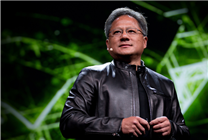
The competition between the United States and China in the field of artificial intelligence (AI) is intensifying, positioning these two nations as leaders in one of the most pivotal technological revolutions in human history. NVIDIA, a key player in this arena, is taking center stage, with its CEO, Jensen Huang, shedding light on the implications of U.S. policy regarding chip exports and the long-term effects on the industry.
In a recent exclusive interview with TIME magazine following the CES exhibition, Huang expressed concerns over the U.S. chip blockade policy aimed at restricting exports to China. He noted that such measures have detrimental effects, particularly causing NVIDIA to lose valuable access to the Chinese market. This situation underscores a regrettable misstep for the U.S. tech landscape, which stands to benefit from greater engagement rather than isolation.
At CES, Huang articulated a multi-faceted approach to AI development, delineating five critical levels: energy, chips, infrastructure, models, and applications. Each tier contributes to the overall competitiveness of the industrial ecosystem. To maintain its leadership position amid the ongoing AI revolution, the U.S. must ensure it possesses a competitive advantage at each of these levels. Falling behind in any one area could result in a slip in overall technological prowess.
Focusing specifically on chips, Huang underscored the importance of enabling global AI models to operate on U.S.-led technology. This ambition reflects a broader vision of establishing American technology as the global norm, a theme Huang has reiterated in various forums in recent years. He firmly believes that the U.S. must export its innovations to participate actively in global markets. This proactive stance is crucial not only for expanding America’s technological influence but also to ensure that U.S. technology does not fall by the wayside as emerging competitors, particularly in China, continue to evolve and innovate.
NVIDIA’s commitment to staying ahead in the competitive landscape of AI technology and chip production is vital. The company’s strategic focus revolves around fostering innovation while also navigating complex geopolitics. Huang’s insights reveal a critical understanding that technology cannot exist in a vacuum; rather, it thrives in environments that promote collaboration and competition across borders.
In conclusion, the U.S. and China are embroiled in a high-stakes rivalry that will shape the future of AI and technological innovation. Companies like NVIDIA must lead the charge by ensuring that American technology remains competitive on the global stage. By prioritizing an inclusive approach to technology exportation, the U.S. can secure its position at the forefront of this transformative industrial revolution.
In this evolving narrative of AI competition, it is imperative to continually adapt and innovate. As both nations strive for supremacy, their strategies will significantly influence not only their own futures but also the global landscape of technological advancement.