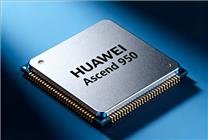

Huawei Expands AI Chip and Ecosystem in South Korea: The Launch of Ascend 950
Summary:
- Huawei is set to launch the Ascend 950 AI chip in South Korea in 2024.
- The company aims to provide end-to-end solutions, positioning itself as a viable alternative to NVIDIA in the AI infrastructure market.
- Huawei will introduce its open-source operating system, HarmonyOS, enhancing its ecosystem development in the region.
Huawei continues to bolster its reputation in the semiconductor industry, demonstrating significant advancements in its self-developed chips. As part of its strategic expansion, Huawei Korea recently announced the upcoming launch of the Ascend 950 artificial intelligence (AI) chip in the South Korean market, scheduled for next year. This move marks Huawei’s robust entry into the Korean AI infrastructure landscape.
The Ascend 950 chip represents a crucial component of Huawei’s strategic approach, which seeks not just to offer hardware but to deliver comprehensive end-to-end (E2E) solutions encompassing hardware, software, networking, and storage. By doing so, Huawei aims to provide a compelling alternative for Korean businesses, offering them a "second choice" to the dominant presence of NVIDIA in the AI arena.
Huawei’s CEO for Korea, Balian Wang, articulated the company’s differentiated strategy, emphasizing that their focus extends beyond merely selling AI chips and servers. Instead, their objective is to accelerate the adoption and application of AI technology across various industries. This strategic pivot highlights Huawei’s commitment to not only providing hardware solutions but also facilitating industrial transformations in the AI domain.
In a departure from typical industry practices, Huawei plans to market its chips in clusters rather than on a standalone basis. This approach allows for a more integrated usage of its technology, showcasing the company’s forward-thinking vision in the competitive landscape of AI infrastructure development.
Ecosystem Growth with HarmonyOS
Adding to its ambitious plans, Huawei Korea will promote the development of its ecosystem through the introduction of its self-developed open-source operating system, HarmonyOS. This system is designed for versatility, supporting a range of devices beyond just smartphones, including various smart home technologies.
However, it is noteworthy that, despite these advancements, Huawei has confirmed it will not be launching smartphones in the Korean market next year. This decision aligns with the company’s strategic focus on building a robust hardware and software ecosystem rather than competing directly in the smartphone sector.
Huawei’s commitment to developing its ecosystem in South Korea also positions it favorably within a market that is increasingly reliant on interconnected technology solutions. By providing both hardware and software functionalities, Huawei is setting the stage for potential partnerships with local enterprises, thereby enhancing its operational footprint in the region.
Competitive Edge in AI
As the AI landscape evolves, the competition continues to intensify. Huawei’s strategic intent to provide a cost-effective and performance-optimized alternative to existing solutions, particularly from NVIDIA, places it in a strong position to capture market share. The combined offerings of Ascend 950 chips and HarmonyOS could be pivotal in persuading enterprises to adopt Huawei’s technology over other providers.
By investing in both advanced chip technology and an evolving operating system, Huawei is not only advancing its product lineup but also engaging in a more holistic market strategy that could redefine its presence in South Korea. The enhancement of its local ecosystem through partnerships and innovative solutions will likely ensure further growth and integration within various industrial sectors.
Conclusion
Huawei’s ambitious launch of the Ascend 950 chip and HarmonyOS in South Korea reflects significant strategic developments aimed at revolutionizing AI infrastructure. As the company seeks to provide comprehensive solutions that blend hardware with software, its efforts may not only reshape its competitive stance against established players like NVIDIA but also elevate the technological capabilities of Korean enterprises.
With these initiatives, Huawei is poised to establish itself as a formidable contender in the AI market, leveraging its chips and operating systems to foster innovation and industrial applications, thus driving forward the evolution of technology in South Korea and beyond.